Song Meaning
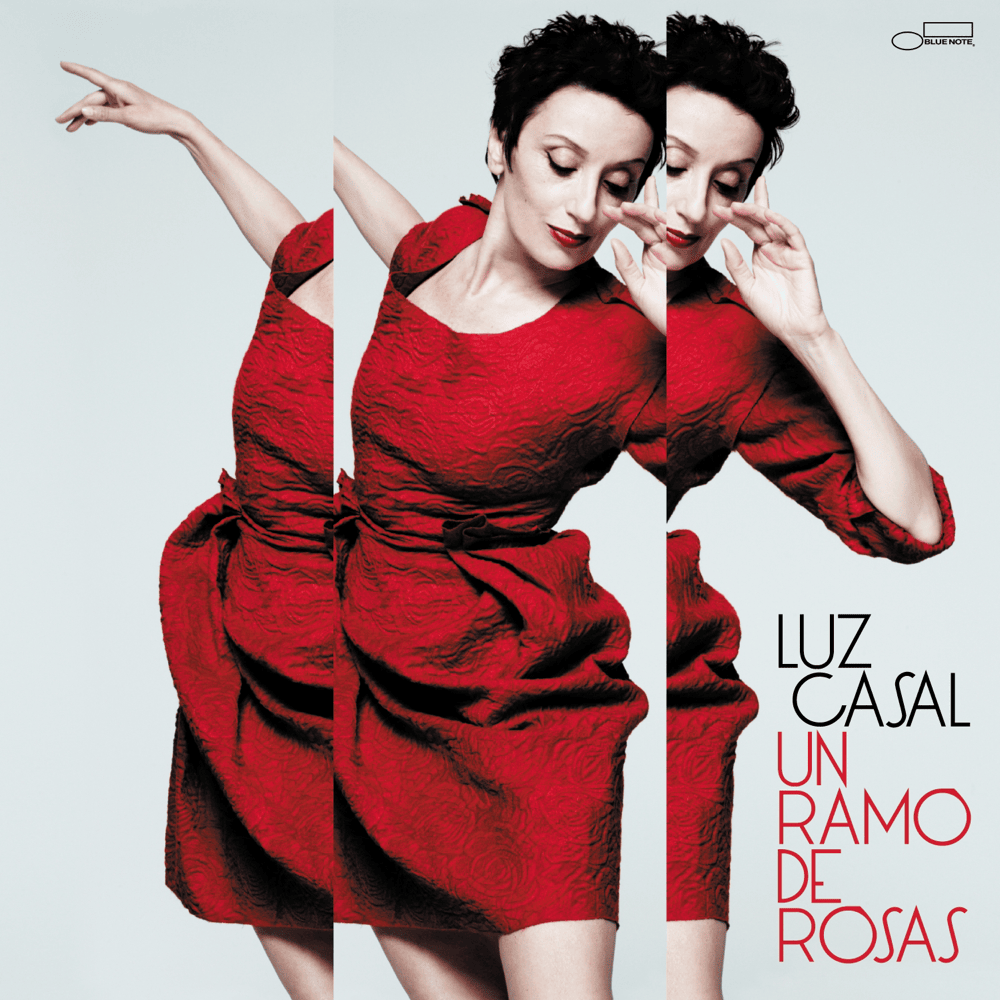
{"song_id": 12535669, "meaning": "Luz Casal's rendition of \"Gracias a la Vida\" isn't just a song; it's an intimate psalm of gratitude, a stark and moving testimonial to the fundamental gifts that constitute a life fully lived. The lyrics, originally penned and performed by Violeta Parra, achieve a rare universality, resonating across cultures and generations. Casal's interpretation, imbued with her signature emotional intensity, transforms the song into a deeply personal, yet widely accessible, statement of appreciation. The repeated refrain, \"Gracias a la vida / Que me ha dado tanto\" (Thanks to life / That has given me so much), acts as both anchor and launching pad, each verse exploring a different facet of existence worthy of profound thankfulness.
The song's power lies in its simple yet profound enumeration of life's blessings. It's not about grand achievements or material wealth, but rather the basic elements of human experience: sight (\"dos luceros / Que cuando los abro / Perfecto distingo / Lo negro del blanco\" - two bright stars / That when I open them / I perfectly distinguish / Black from white), sound, language, the ability to walk and explore the world. These are the building blocks of perception, connection, and understanding. Even more compelling is the acknowledgment of both joy and sorrow (\"Me ha dado la risa / Y me ha dado el llanto\" - It has given me laughter / And it has given me tears) as integral components of a complete life. This embrace of duality, the recognition that suffering is as essential as happiness in shaping our humanity, elevates the song beyond mere sentimentality. It suggests a mature acceptance of the complexities inherent in being alive.
\"Gracias a la Vida\" ultimately transcends the personal, becoming a collective anthem of gratitude. The final verses emphasize the shared human experience, the idea that \"el canto de ustedes / Que es mi propio canto\" (the song of you / That is my own song), and \"el canto de todos / Que es el mismo canto\" (the song of everyone / That is the same song). It's a recognition of our interconnectedness, the understanding that our individual joys and sorrows are ultimately part of a larger, universal narrative. Luz Casal's interpretation serves as a potent reminder to cherish the fundamental gifts of life, to find beauty in the everyday, and to recognize the shared humanity that binds us all together. The song meaning, therefore, lies not just in its lyrical content, but in its capacity to evoke a sense of profound gratitude and connection in the listener."}
 View Artist