Song Meaning
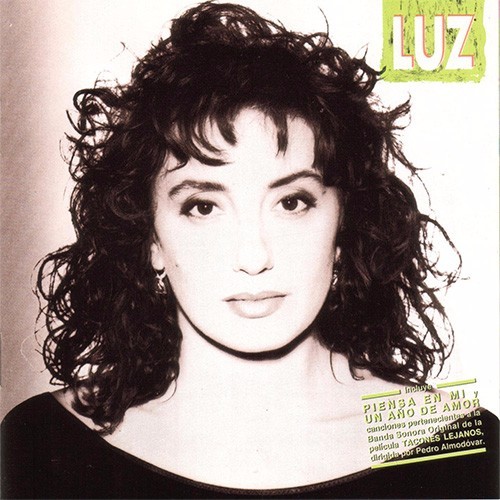
Luz Casal's "Piensa en Mí" isn't just a song; it's a raw, exposed nerve of codependent longing. The plea that forms the song's core – "Piensa en mí" – echoes as both a desperate wish and a subtle manipulation. It’s a masterclass in the push and pull of unhealthy attachment, where the singer's identity seems wholly consumed by the object of their affection. The opening verses establish a landscape of profound suffering: "Si tienes un hondo penar, piensa en mí / Si tienes ganas de llorar, piensa en mí." This isn't an offer of comfort, but rather an insistence on being the focal point of the other's pain, as if their suffering validates the singer's existence. There's a subtle yet significant difference.
The lyrics hint at a past transgression, a shared 'sin' initiated by the beloved's "párvula boca." This adds a layer of complexity, suggesting a relationship built on both intense desire and perhaps a shared guilt. The singer idealizes their partner ("venero tu imagen divina"), yet simultaneously infantilizes them ("Tu párvula boca que siento tan niña"). This duality speaks to a power imbalance, where the singer both worships and seeks to control the narrative. The repetition of "Piensa en mí cuando sufras / Cuando llores también" transforms the phrase into a mantra of self-annihilation.
The most jarring and revealing lines are those that address the possibility of the beloved wanting to "quitarme la vida." The singer's response – "No la quiero para nada / Para nada me sirve sin ti" – is a chilling declaration of worthlessness outside the context of the relationship. It’s a complete surrender of self, a willingness to cease to exist if not mirrored in the other's thoughts and emotions. This isn’t healthy love; it’s an addiction, a desperate attempt to fill an internal void with the presence – even a negative one – of another. The song's power lies in its unflinching portrayal of this dark side of devotion, where love becomes indistinguishable from obsession and self-destruction.
 View Artist