Song Meaning
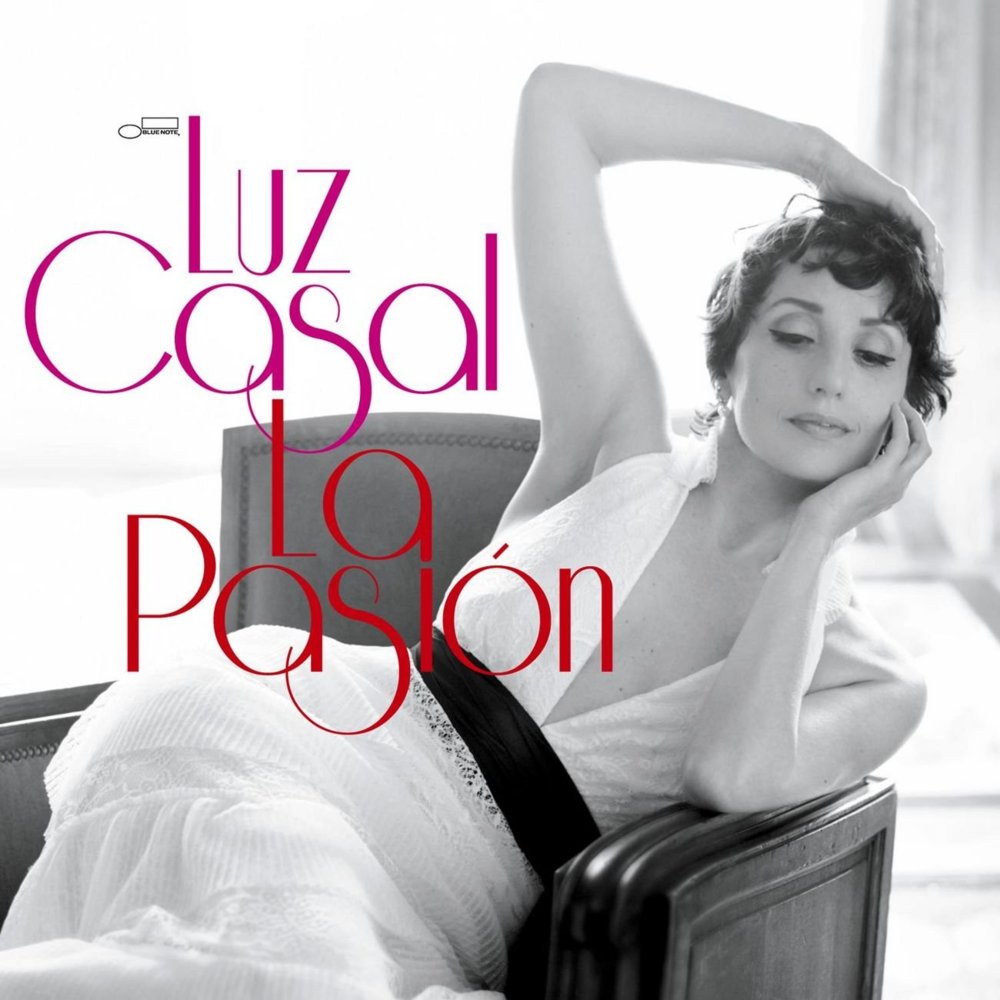
{"song_id": 12535385, "meaning": "Luz Casal's rendition of \"Como la Cigarra\" is less a song than a defiant act of self-preservation set to music. The lyrics, steeped in resilience, paint a portrait of a spirit repeatedly battered but never broken. The opening lines, \"Tantas veces me mataron / Tantas veces me morí / Sin embargo estoy aquí / Resucitando,\" aren't mere melodrama; they're a visceral declaration of survival against overwhelming odds. The song meaning hinges on this cyclical rebirth, a phoenix rising not from ashes, but from the very attempts to extinguish its flame. It’s a stark acknowledgement of pain intertwined with an unyielding commitment to persevere. Casal doesn't shy away from the darkness, but rather stares it down, drawing strength from each near-defeat.
The central metaphor of the cicada (\"cigarra\") is particularly potent. Emerging from a year spent buried in the earth, the cicada sings its song, a primal scream of life after prolonged silence. This imagery speaks volumes about enduring hardship and finding one's voice again after periods of invisibility or suppression. The lyrics also reference returning from war, further emphasizing the battle-scarred nature of the singer's journey. The line about attending her own funeral underscores a sense of alienation and the feeling of being erased or forgotten, yet even in that desolate image, the act of \"seguir cantando\" (continue singing) becomes an act of rebellion.
Ultimately, \"Como la Cigarra\" transcends personal lament. It transforms into an anthem of hope and collective resistance. The final verses offer solace, suggesting that even in moments of utter despair, rescue awaits. The cyclical nature of the song, returning to the image of the singing cicada, reinforces the idea that resilience is not a one-time event, but an ongoing process. Luz Casal's interpretation serves as a reminder that even after countless defeats and resurrections, the human spirit, like the cicada, retains the capacity to sing again."}
 View Artist