Song Meaning
These lyrics paint a vivid picture of a group of outcasts, the "Hellcats," who claim dominion over the road. They present themselves as a menacing force, riding motorbikes with a distinctive "roar of cut-out exhaust." The immediate tone is one of aggressive territoriality, warning anyone who crosses their path to "get lost" or face consequences. The repeated phrase "Get off the road" acts as a blunt, insistent command, establishing their dominance and the danger they represent to outsiders.
The central tension lies in the narrator's self-identification as "Hellcats nobody likes" and their aggressive assertion of control. This isn't just about owning a physical space; it's about carving out an identity through defiance and intimidation. The lyrics suggest a deliberate embrace of an outsider status, using their intimidating presence as a source of power. The imagery of "man-eaters" and the threat of having one's "rear-end tossed" amplify this sense of danger, making their claim to the road feel both personal and predatory.
The most striking craft element is the juxtaposition of the menacing "man-eaters" and "Hellcats" with the almost absurd image of shooting "clay pigeons." This contrast highlights a specific kind of rebellious energy, one that might be performative or directed at easy targets while projecting an image of genuine threat. The repetition of "We own this road" reinforces their territorial claim, while the phrase "Bug off or you'll find / That you've blown your mind" offers a vague but potent threat, leaving the exact nature of the consequence to the listener's imagination.
Ultimately, the effectiveness of these lyrics stems from their raw, unapologetic declaration of power and identity. The simple, direct language and the insistent chorus create an undeniable sense of presence. The narrator doesn't seek understanding or approval; they demand space and respect through sheer force of will and a carefully cultivated image of danger, making their claim to the road feel both primal and compelling.
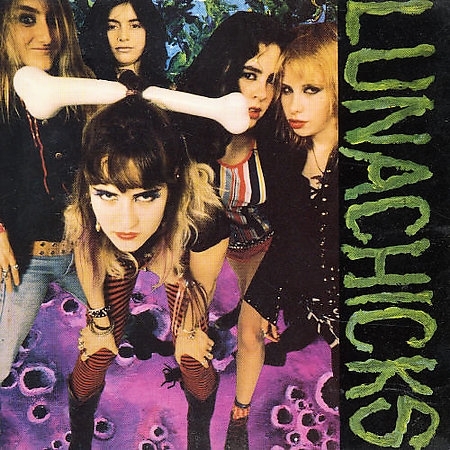
 View Artist