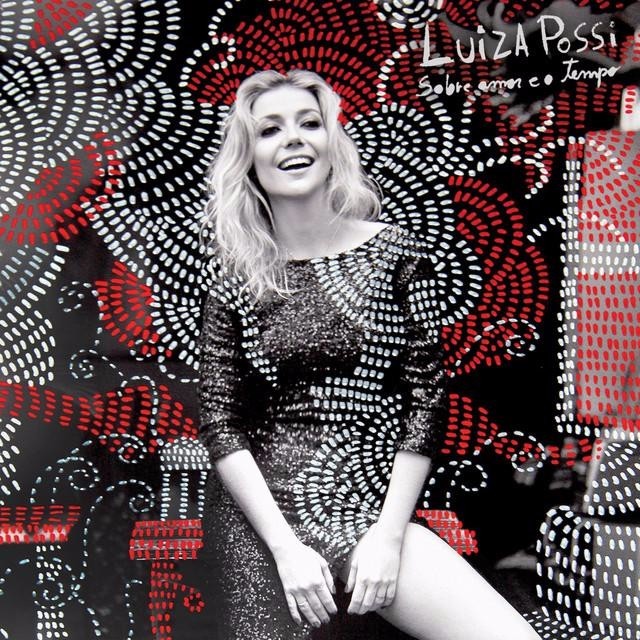
Song Meaning
These lyrics open with a profound observation on identity, suggesting we are "so many in one person." It immediately establishes a reflective tone, acknowledging the layers of self that accumulate and dissipate through time: what we once were and what we will never be again. This sets up a meditation on the fluid nature of being, anchored in the present moment yet shaped by past and future.
The central tension emerges with the declaration that "to live is to choose." The lyrics lay out a series of fundamental human dilemmas—between instinct and reason, head and heart, joy and pain, connection and solitude. This isn't just about making decisions; it's about the constant, often difficult, navigation of these opposing forces that define our existence, implying that every path taken, or not taken, shapes who we become.
The passage then shifts focus to the relentless march of "Tempo." It's a poignant realization that "so little is our time / for so much feeling," highlighting the vastness of human emotion against the finite span of life. The self-portrait here is strikingly honest, encompassing not just noble aspects like "our history, our dreams and memories," but also the more vulnerable, perhaps even flawed, parts: "our useless illusions / our cheap emotions."
Ultimately, the lyrics resolve this internal struggle with a powerful statement: "to live is to accept." This isn't resignation, but a mature embrace of "our good and bad moments," the ongoing interplay "between reasons and feelings," and the constant push and pull "between fear and the desire to love." The concluding phrase, "Tempo em movimento," encapsulates the entire reflection, suggesting that life's complexities and contradictions are all part of an unceasing, beautiful flow.