Song Meaning
The lyrics immediately confront a dismissive attitude, with the speaker sharply denying their heart is "de papel" (of paper). This opening sets a tone of hurt mixed with defiance, as the speaker addresses someone who seems to undervalue their emotions. It's a direct challenge to the idea that their feelings are fragile or easily discarded.
The central emotional tension stems from the speaker's deep, unwavering love contrasted with the other person's potential for cruelty. The repeated question, "Porque fazer chorar assim a quem lhe ama?" cuts to the core of the pain, highlighting the confusion and anguish of being hurt by someone they cherish. The speaker emphasizes their devotion, noting they are "a quem só pensa em você."
The craft here is particularly effective in its use of direct address and rhetorical questions. The phrase "Meu coração que não é de papel" acts as a powerful refrain, not just denying fragility but asserting a profound emotional depth. This is reinforced by the plea "Não jogue o amor ao léu," which cautions against carelessly discarding a genuine connection, suggesting the other person might regret their actions "Um dia sentirá / Que amar é bom demais."
Ultimately, these lyrics resonate because of their raw honesty and the speaker's refusal to be seen as weak. Even as they detail their suffering ("sofre como eu"), they maintain a sense of self-worth and emotional integrity. The final lines, "Você não quis / Jogou ao léu," cement the painful reality of unrequited love, yet the repeated assertion of a heart "que não é de papel" leaves the listener with a sense of enduring strength.
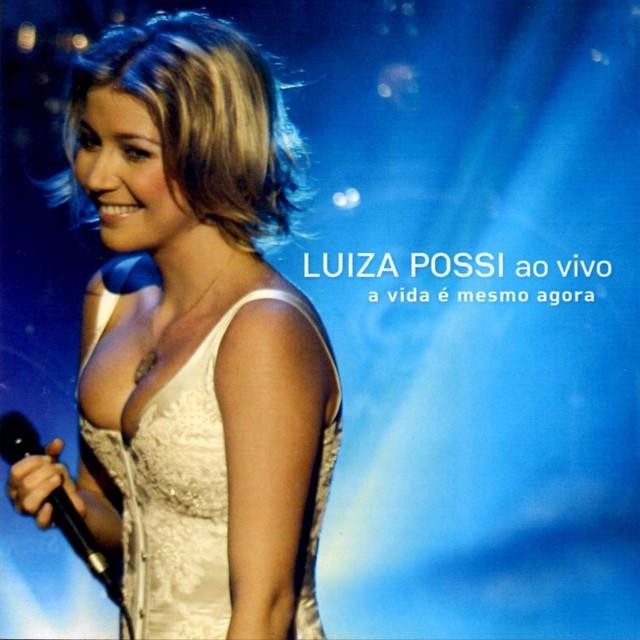
 View Artist