Song Meaning
The lyrics paint a vivid picture of a journey, tracing the path of water from the Riacho do Navio to the vastness of the sea. This geographical flow sets a melancholic tone, as the narrator observes the inevitable merging of smaller streams into larger bodies of water, culminating in the powerful São Francisco river meeting the ocean. The repetition of "O rio São Francisco / Vai bater no meio do mar" emphasizes this sense of finality and perhaps a loss of individual identity within a grander, indifferent force.
The central tension arises from the narrator's deep yearning for a return to a simpler, more rooted existence, contrasting sharply with the relentless, outward flow of the rivers. The hypothetical "Ah! se eu fosse um peixe" introduces a powerful counter-narrative, a desire to defy the natural order. This imagined fish would swim against the current, a potent metaphor for rejecting the predetermined path and seeking a specific, cherished origin: the "Riacho do Navio."
The most striking craft element is the sustained metaphor of the river's journey mirroring a life path, and the narrator's wish to reverse it. The detailed imagery of the desired return – "ver o meu brejinho," "fazer umas caçada," "andar nas vaquejada," "dormir ao som do chocalho" – creates a rich, sensory portrait of a beloved homeland. This idyllic scene is further defined by what it lacks: "Sem rádio e nem notícia / Das terra civilizada," highlighting a deliberate rejection of the modern, perhaps overwhelming, world in favor of a natural, unadulterated existence.
These lyrics resonate because they tap into a universal longing for belonging and a simpler life, articulated through the powerful, natural imagery of water's flow and the defiant wish of a creature swimming upstream. The contrast between the inevitable merging of rivers and the narrator's desire to return to a specific, cherished place creates a poignant emotional core, making the imagined return feel like a profound act of reclaiming identity.
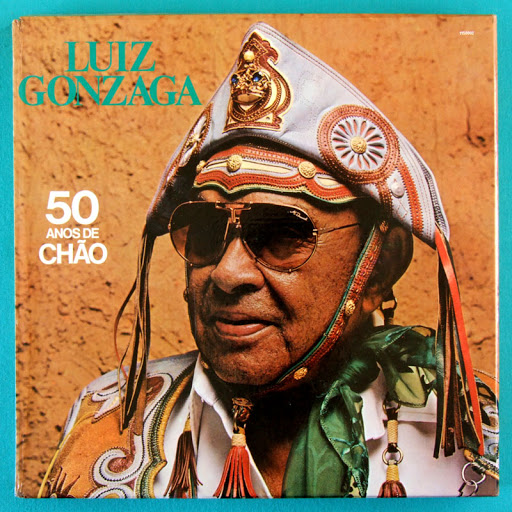
 View Artist