Song Meaning
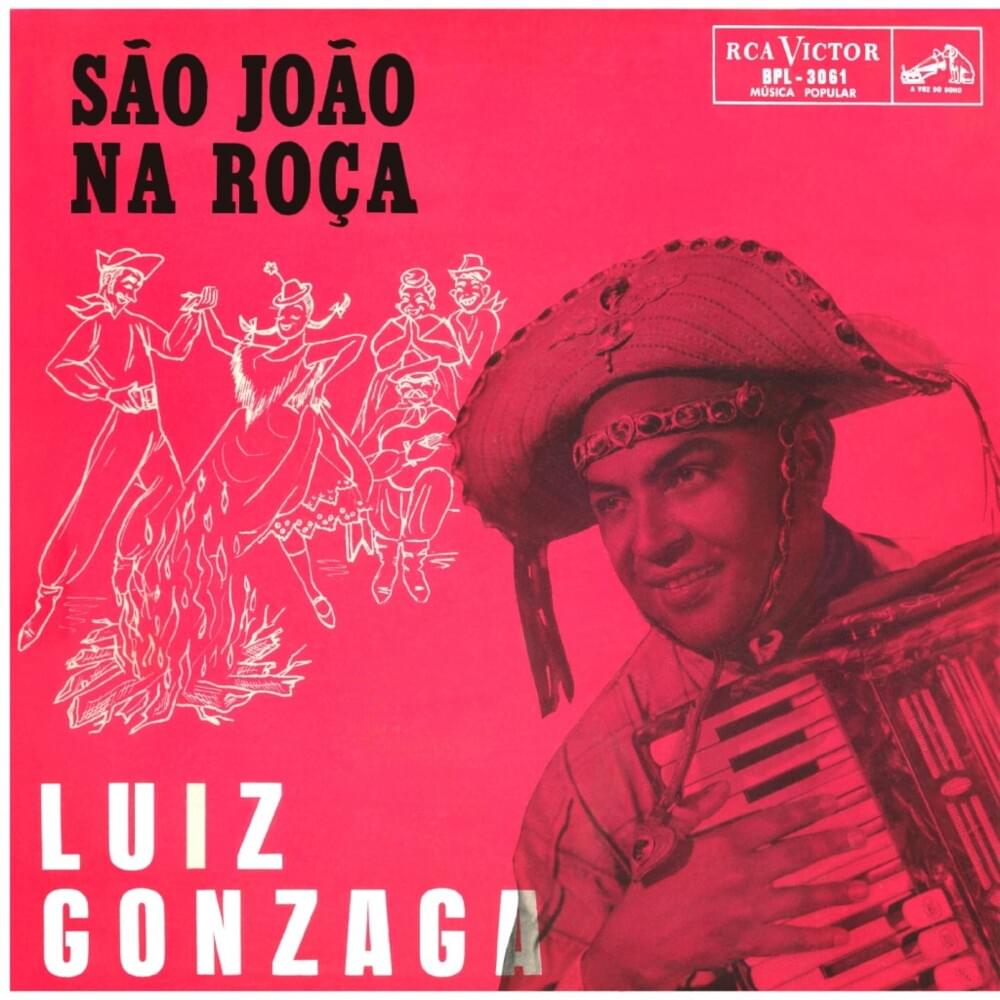
The lyrics paint a vivid picture of a lively São João festival, centered around a bonfire and the infectious rhythm of forró music. There's an immediate sense of communal joy and energetic participation, urging everyone to join the dance floor. The scene is set for a night of celebration and uninhibited fun, with the mention of 'fogueira' (bonfire) and 'forró' establishing the traditional atmosphere.
The core of the celebration lies in the pairings and the collective movement. The narrator calls out specific couples dancing – Joaquim with Zabé, Luiz with Yaiá, Janjão with Raque – before highlighting their own partner, Sinhá. This structure emphasizes the widespread revelry, suggesting that everyone is swept up in the spirit of the occasion. The repeated call to dance, 'vamos gente, rapa-pé nesse salão,' underscores the inclusive and energetic nature of the event.
The most striking element is the anticipation of pure, unadulterated fun, culminating in the demand for 'cachaça' and the desire 'to see straw fly.' This phrase, 'ver paia avuar,' evokes a sense of wild abandon, where the dancing is so vigorous that straw (perhaps from hats or even the floor) is kicked up into the air. It's a powerful image of letting loose and embracing the ecstatic energy of the festival.
Ultimately, these lyrics are effective because they capture the essence of a communal celebration through simple, direct language and a focus on action. The progression from the general call to dance to specific pairings, and finally to the explosive imagery of 'straw flying,' creates a palpable sense of escalating excitement. It’s a snapshot of a moment where tradition meets pure, unbridled joy.
 View Artist