Song Meaning
The lyrics paint a picture of intense longing and unrequited desire, centered on the repeated invocation of "Hembra mía." The narrator fixates on an image of the beloved, "desnuda" (naked), but this vision is fraught with a painful distance. The repeated phrase acts like a desperate plea or a mantra, underscoring the narrator's obsession and the beloved's elusiveness.
The core tension lies in the contrast between the narrator's consuming thoughts and the beloved's apparent indifference or absence. Phrases like "plácidamente ajena" (placidly oblivious) and "ya no me esperas" (you no longer wait for me) highlight this painful disconnect. The narrator's "agonía" (agony) is amplified by the beloved's perceived "insolencia" (insolence) and "desdén" (disdain), suggesting a relationship where the narrator feels wounded by the very object of their affection.
The writing crafts a palpable sense of suffering through vivid, almost masochistic imagery. The "tibia cera" (lukewarm wax) that "flagela con espinas" (whips with thorns) is a striking metaphor for a love that is both alluring and deeply painful. Later, the "planetas / De esa noche que respiras" (planets / Of that night you breathe) evokes a vast, almost cosmic scale of separation, making the beloved's presence in another embrace feel like an insurmountable distance.
This lyrical construction is effective because it externalizes the narrator's internal torment. The beloved is not just absent; she is a force that actively causes pain, whether through her "animal insolencia" or her "perversa" (perverse) presence in another's arms. The final image of "sordas piedras / Que se ríen y me miran" (deaf stones / That laugh and watch me) personifies the world as a mocking observer of the narrator's lonely suffering, cementing the feeling of profound isolation and helplessness.
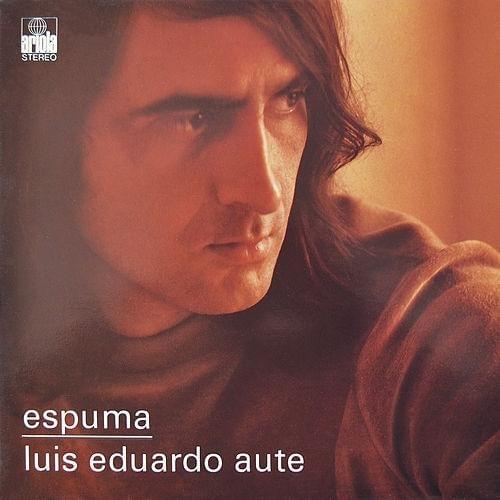
 View Artist