Song Meaning
The lyrics paint a vivid picture of intense, almost devotional desire, centered around a figure or essence described as "barro entrañable" – a beloved, earthy substance. The narrator is consumed by this feeling, experiencing a potent mix of the sacred and the profane. They are drawn to a forbidden "light" and "divine and pagan mud," suggesting a powerful, perhaps transgressive attraction that blurs the lines between spiritual reverence and carnal longing. This initial intensity sets a tone of overwhelming, almost intoxicating obsession.
The central tension arises from the juxtaposition of opposing forces: "sacred demon," "fallen angel of earth," "divine and pagan mud." The narrator actively constructs a "sanctuary" and "temple" from this "beloved mud," but it's a place for "ludic rites" and adoration of "sins of mortal paradises." This creates a fascinating conflict where devotion is directed towards something inherently flawed or earthly, a paradox that fuels the narrator's fixation. The desire is not for purity, but for an embrace of imperfection.
The most striking craft element is the consistent use of oxymorons and contrasting imagery to define the object of affection and the narrator's experience. Phrases like "sacred demon of flesh" and "fallen angel of earth" highlight this duality. The repetition of "sobre tu barro entrañable" anchors the entire narrative, emphasizing that this complex, contradictory essence is the sole focus of the narrator's worship and intoxication. The imagery of "hot incense" and "wild penances" further amplifies the sensory and spiritual intensity of this devotion.
Ultimately, these lyrics resonate because they capture a raw, all-consuming passion that finds beauty and divinity in the earthly and the flawed. The narrator's willingness to build a sacred space from "mud" and adore "sins" speaks to a profound acceptance of complexity in desire. The writing works by immersing the listener in a sensory and spiritual fever dream, where the sacred and the carnal are indistinguishable, making the object of affection feel both deeply personal and mythically potent.
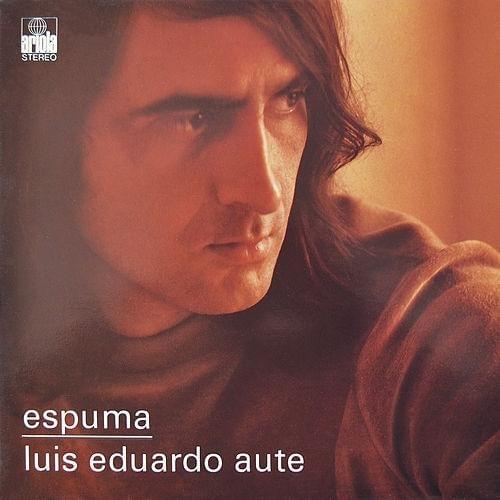
 View Artist