Song Meaning
The Italian phrase "Quasi sera" immediately sets a poignant scene: twilight by the sea. A memory unfolds, of two people sitting together, with "segni del nostro amore" – signs of their love – etched into the sand. But the approaching evening, the fading light, signals something transient, something already slipping away.
This sense of fading is amplified by the narrator's struggle with memory. They vividly recall watching a "vela bianca" – a white sail – pass by, full of wind, the "ultima vela." Yet, crucial details of the person beside them, like their "voce" or even their "nome," are lost to time. This tension between a clear visual memory and a fragmented personal one highlights memory's selective and fragile nature.
The white sail becomes the central, most enduring image, almost a character in itself. It "Sfiorò il nostro amore," suggesting it wasn't just a backdrop but an active, fleeting presence that touched their connection. This shift in focus from the companion to the sail implies that the *experience* of that moment, and its inherent transience, is what truly remains etched in the narrator's mind, rather than the specific details of the person.
The lyrics masterfully evoke a wistful longing for a past moment and a lost connection. The natural elements – the sea, the sand, the wind – underscore the impermanence of human bonds and memories. The final, melancholic image of the sail disappearing, leaving "non c'era che il vento" – only the wind – profoundly captures the quiet ache of what was, and what now exists only as a ghost in the memory, carried away by the breeze.
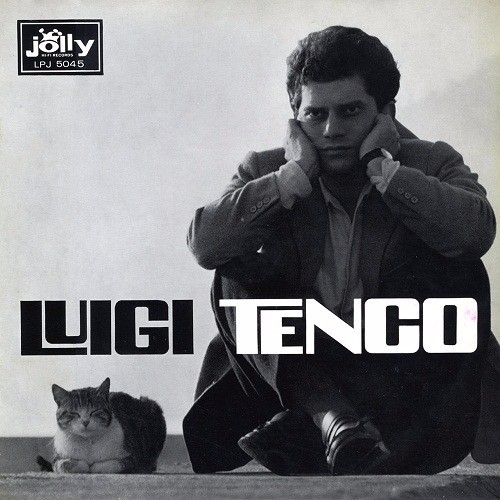
 View Artist