Song Meaning
The speaker admits to falling in love not from grand passion, but from a stark sense of emptiness. It's a surprisingly candid opening, revealing a desire for "someone to meet" and "something to dream" simply because there was "niente da fare." This initial connection seems born more from a need to fill a void than from an overwhelming attraction.
Yet, this seemingly casual beginning twists into a consuming obsession. The lyrics reveal that what started as a remedy for loneliness has become a new kind of confinement. The speaker now feels their "sogni svanire" even with "mille cose da fare," suggesting that the beloved has become the sole focus, eclipsing all other aspirations.
The craft here is particularly effective in its use of paradox. The initial state of having "nothing to do" leads to love, which then paradoxically makes the speaker unable to think of anything else. This culminates in the striking final stanza: by day, there's regret for having met the person, but by night, an irresistible urge to "ti vengo a cercare." This push-pull dynamic perfectly captures the messy, often contradictory nature of deep attachment.
These lyrics hit hard because they strip away romantic clichés, presenting love as a complex, almost accidental force. It's not a story of destiny, but of a profound, consuming connection that, once formed, becomes inescapable—a source of both regret and an undeniable, almost involuntary pull. The emotional impact lies in this raw, unvarnished depiction of love's complicated grip.
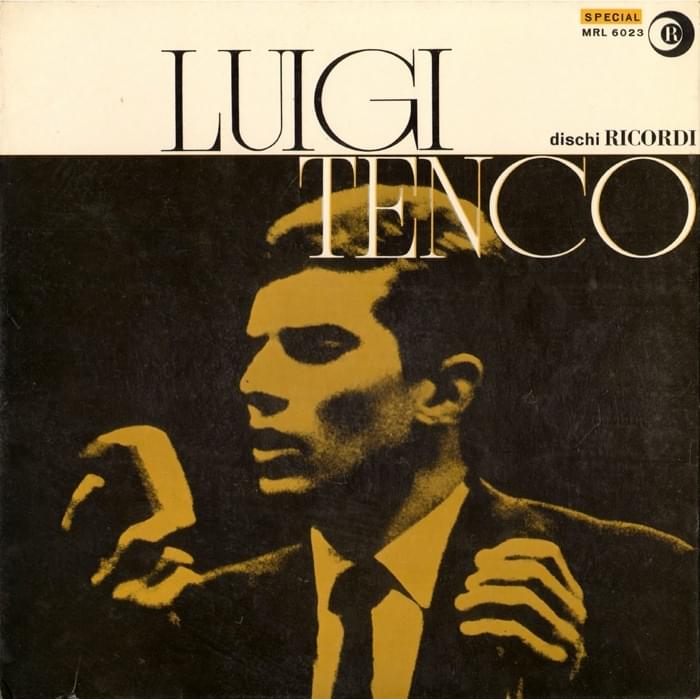
 View Artist