Song Meaning
“Chi mi ha insegnato” poses a fundamental question about education. The speaker reflects on who taught them basic life skills – speaking, writing, living. Yet, for the most profound experiences, they find themselves utterly unequipped. There's a deep, poignant frustration at this gap.
The core tension lies in the stark contrast between general competence and specific, heartbreaking inadequacy. The world taught the speaker how "a dire quello che sento" (to say what I feel) and "a farmi capire dagli altri" (to make others understand me). But when it comes to expressing a unique love, or navigating life without it, those learned skills vanish. This creates a powerful sense of isolation, even amidst a world of learned communication.
The lyrical structure brilliantly reinforces this emotional chasm. Each stanza begins by crediting an anonymous "Chi m'ha insegnato" (Who taught me) for fundamental skills – speaking, writing, living. This sets up an expectation of mastery. However, each stanza then pivots, revealing a crucial, unaddressed void: "Non mi ha insegnato le parole / Per poterti dire quello che vorrei" (Didn't teach me the words / To tell you what I want). This escalating progression from words to poems to the very act of living without "il nostro amore" (our love) amplifies the speaker's profound sense of being unprepared.
The effectiveness of these lyrics lies in their ability to articulate a human experience: the feeling that our learned abilities fall short when confronted with overwhelming emotion. The speaker isn't just struggling to find words; they're struggling to *exist* in a new, unscripted reality. Phrases like "pensiero che sfugge" (thought that escapes) and "momento che vola" (moment that flies) beautifully capture the ephemeral nature of inspiration, while "lunghe sere senza averti accanto" (long evenings without you beside me) grounds the abstract longing in a tangible, lonely image.
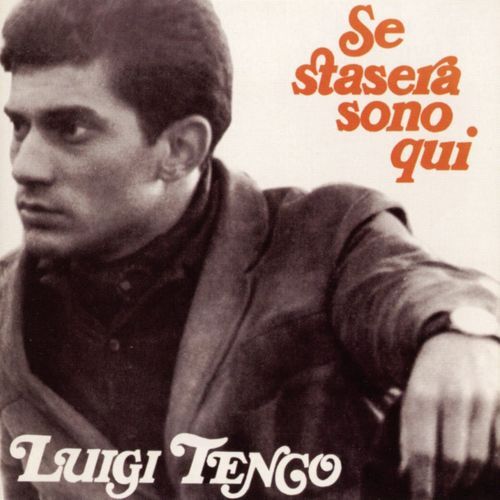
 View Artist