Song Meaning
Non sono io" immediately grounds these lyrics in a rejection of grand romantic gestures. The speaker isn't interested in a thousand poems or making their love a novel. This isn't a fairytale; it's a clear-eyed declaration of what love *isn't*.
The core tension here lies in stripping away romanticized expectations. The narrator explicitly states, "Non sono io / Il principe azzurro," directly challenging the notion of a perfect, effortless love. What's left is a simpler, yet arguably stronger, foundation: a man who simply cares deeply.
The true genius emerges in the final lines, offering a profound distinction. The speaker anticipates being "stanco d'amore" – tired from the *act* or *effort* of love itself. Crucially, they clarify, "Io non penserò / Che sono stanco di te." This isn't weariness with the person, but with love's inherent demands, a subtle yet powerful affirmation of unwavering affection.
This nuanced perspective elevates the lyrics beyond a mere rejection of clichés. It suggests a mature understanding that love, while profound, can also be demanding. By acknowledging the potential for being "tired from love" while simultaneously committing to never being "tired of you," the narrator crafts a vision of love that feels resilient, honest, and deeply human. It hits hard because it's real.
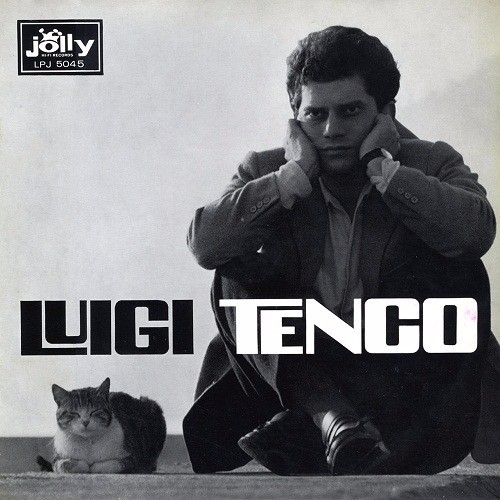
 View Artist