Song Meaning
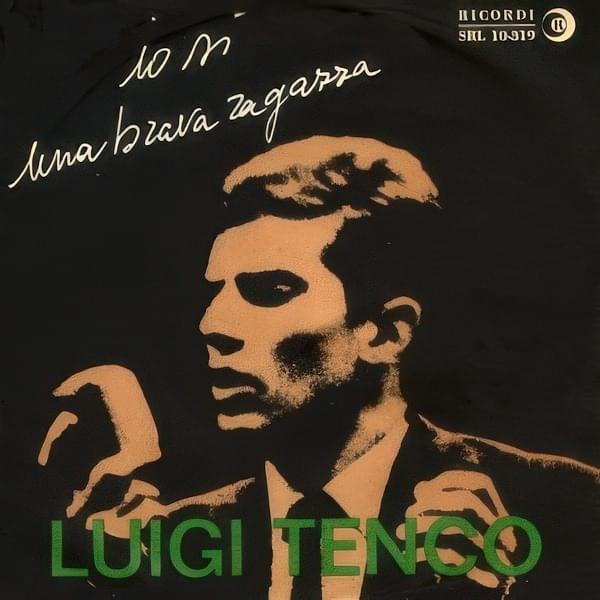
These lyrics capture a poignant sense of unrequited love and deep regret, as a speaker meticulously outlines a superior life they believe they could have offered someone. Each stanza builds a stark contrast between the speaker's potential and the current lover's perceived failings. The recurring phrase "Ma ormai" (But now/But it's too late) underscores a deep, wistful resignation.
The central emotional tension stems from the speaker's unwavering conviction that they could provide a richer, more fulfilling existence, directly contrasting it with the beloved's current relationship. The speaker promises a "vita di sogni" (life of dreams) and to "sparire dai tuoi occhi la noia" (make the boredom disappear from your eyes), suggesting the current partner fails to truly see or satisfy the person. This creates a powerful sense of missed opportunity and unspoken desire.
The relentless repetition of "Io sì" (I would have) paired with the specific shortcomings of "lui" (he) is a striking craft element. This isn't just a general lament; it's a detailed, almost competitive comparison. The speaker even claims they "t'avrei fatta invidiare" (I would have made you envied) by friends who "di lui ora ridono" (now laugh at him), adding a sharp, almost vindictive edge to their desire to be the better partner.
The lyrics are effective because they tap into the universal ache of "what if." By detailing intimate moments – making her "arrossire dicendoti: "Ti amo"" (blush saying "I love you") or understanding "il bello della sera non è soltanto uscire" (the beauty of the evening isn't just going out) – the speaker crafts a compelling vision of a love that is both passionate and deeply understanding. The final, resigned "Ma ormai" in each section transforms this confident declaration into a poignant, almost heartbreaking, acknowledgment of a love that can never be.
 View Artist