Song Meaning
The lyrics paint a stark picture of an inevitable, divinely ordained transition. The repeated command, "You got to move," acts as a primal, urgent call to action, stripped of any ambiguity. It establishes a tone of absolute certainty, suggesting a moment of reckoning or change that is beyond human control or preparation. The opening verses immediately ground this command in a spiritual context, linking the imperative to the will of "the Lord."
This sense of unavoidable destiny is further emphasized by the stark contrasts presented in the second verse. Whether one is "high" or "low," "rich" or "poor," these earthly circumstances are rendered irrelevant when the appointed time arrives. The lyrics suggest a great equalizer, where social standing and personal fortune hold no sway against this divine timing. The third verse broadens this scope, pointing to everyday figures like a "woman who walks the street" and a "police upon his beat," implying that this call to move affects everyone, regardless of their role or position in society.
The true power of these lyrics lies in their relentless repetition and simple, declarative structure. The phrase "You got to move" is hammered home, creating a hypnotic, almost incantatory effect that mirrors the inescapable nature of the event it describes. The lack of complex imagery or metaphor forces the listener to confront the core message directly: a moment of profound, universal change is coming, and resistance or delay is impossible. It's a raw, unadorned statement of faith and fate.
Ultimately, the effectiveness of this piece stems from its unyielding focus on a singular, powerful idea. By stripping away narrative complexity and emotional nuance, the lyrics achieve a profound sense of gravity. The directness of the language and the unwavering rhythm create an atmosphere of solemn anticipation, making the listener feel the weight of an approaching, inescapable moment dictated by a higher power.
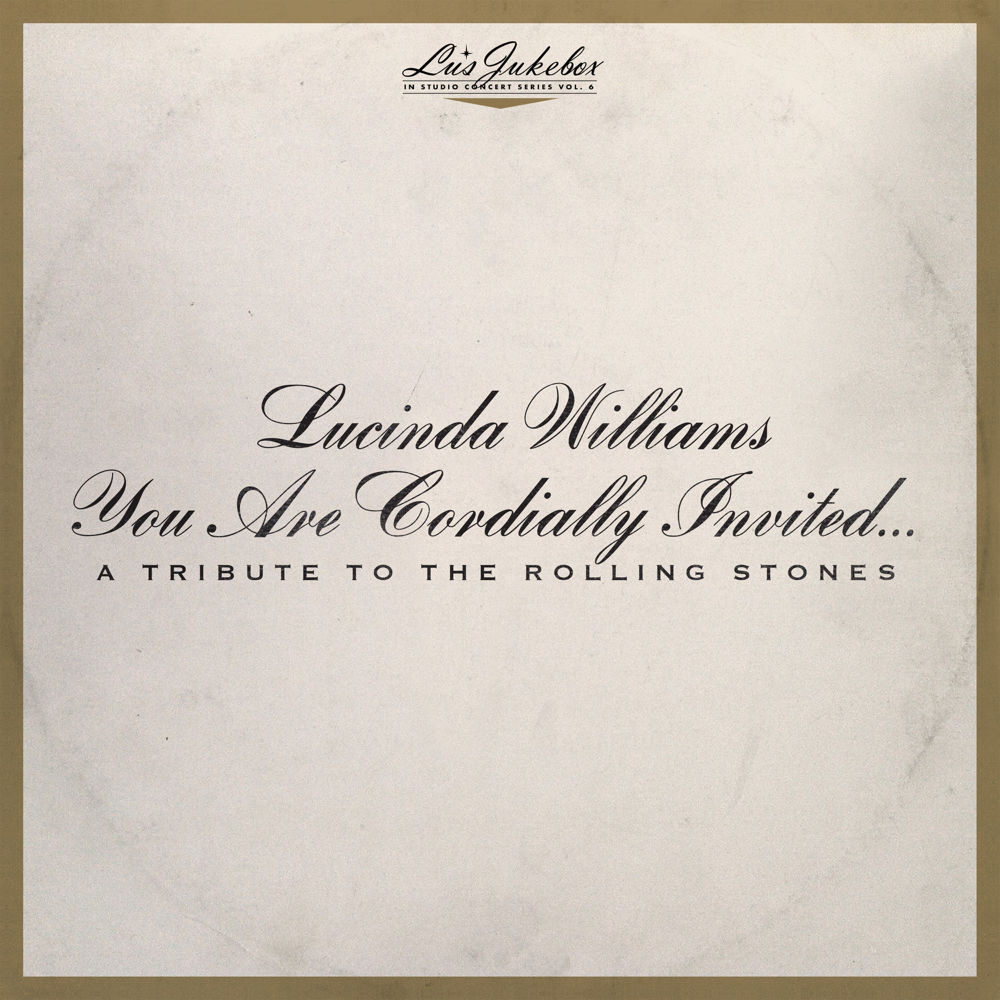
 View Artist