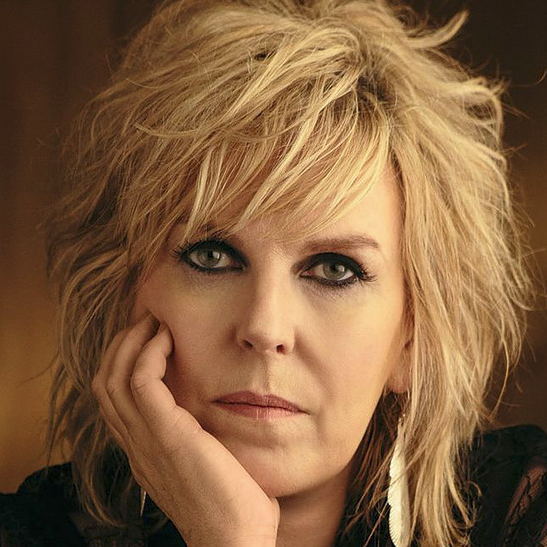
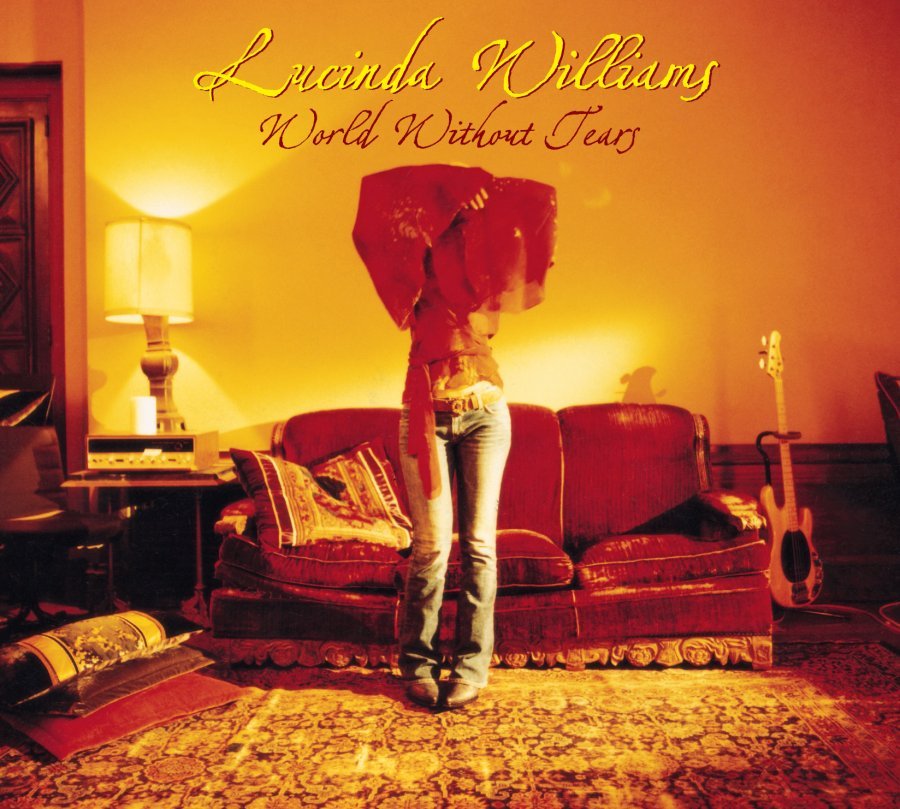
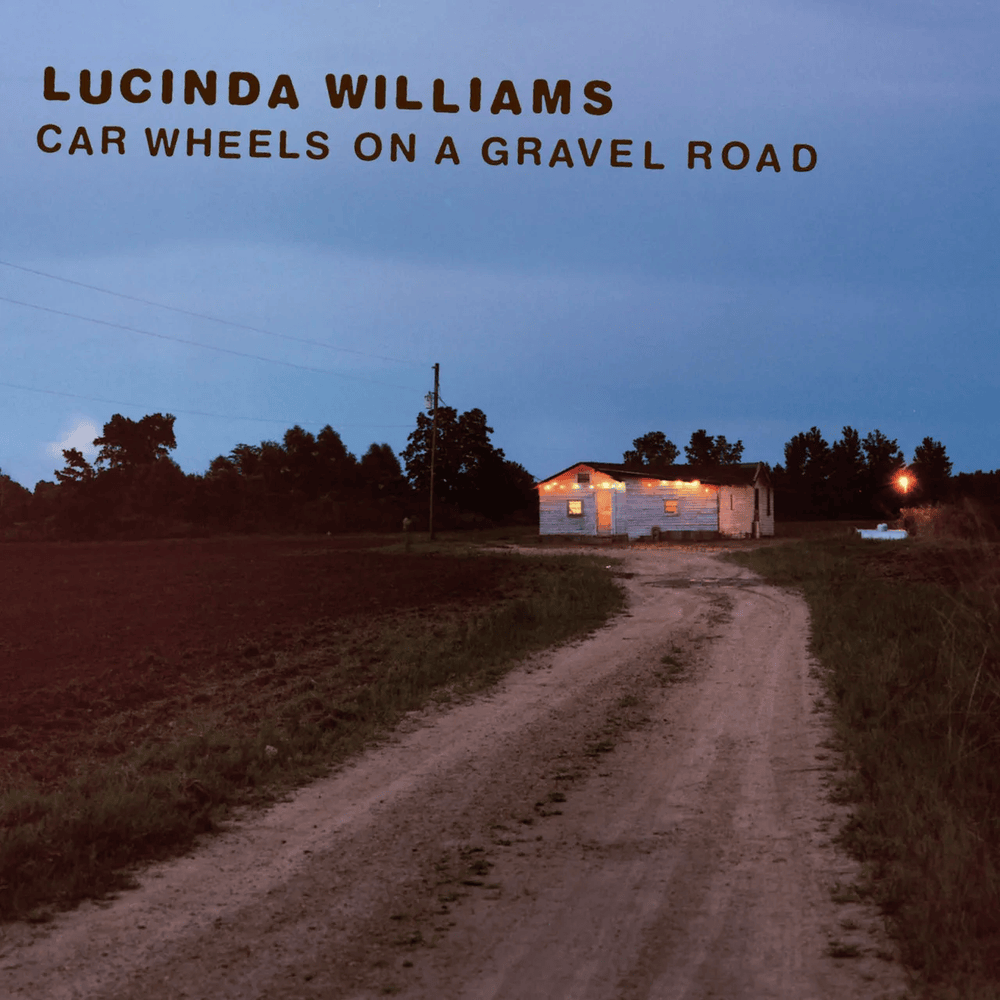
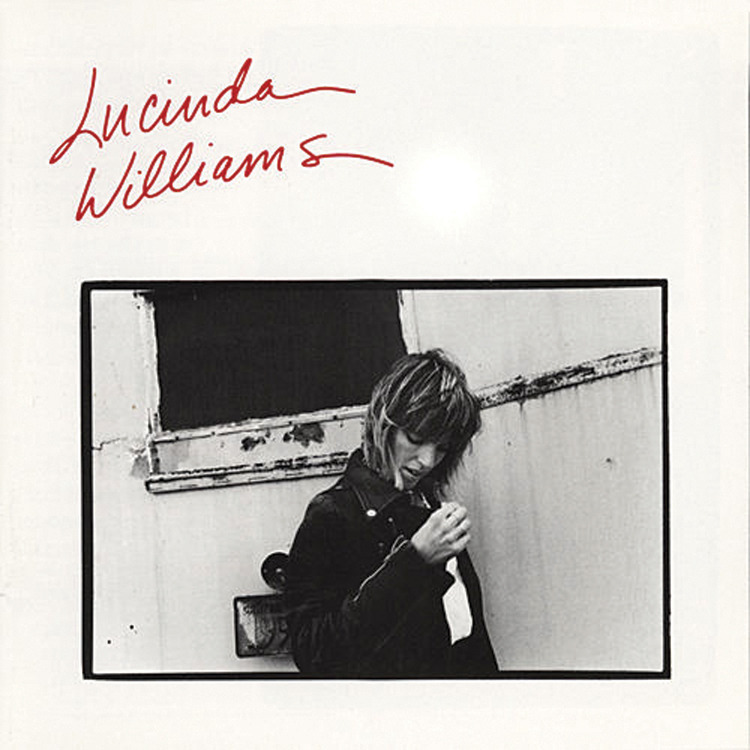
Lucinda Williams, a name synonymous with raw emotion and unflinching honesty, has carved a unique space in American music. Born in Lake Charles, Louisiana, her sound is a potent blend of country, blues, and rock, seasoned with the literary sensibilities inherited from her poet father. Williams's journey has been one of perseverance, marked by critical acclaim and a devoted following drawn to her evocative storytelling.
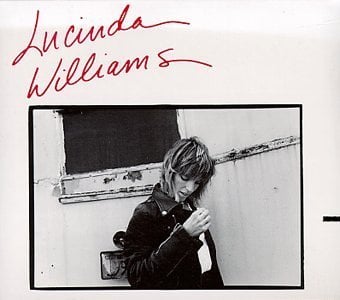
Williams's early life was nomadic, following her father's academic career across the South. This transient upbringing exposed her to a rich tapestry of regional music, from the soulful blues of the Mississippi Delta to the twang of Texas country. These influences seeped into her songwriting, shaping her distinctive voice. Her early recordings showcased her talent, but it was her self-titled 1988 album that began to cement her reputation as a formidable artist. Songs like Side of the Road hinted at the depth and complexity that would define her later work.
The 1990s brought further recognition. While mainstream success remained elusive, Williams garnered immense respect from critics and fellow musicians. Her songs, often exploring themes of love, loss, and redemption, resonated with audiences seeking authenticity. The track Passionate Kisses, later a hit for Mary Chapin Carpenter, earned Williams a Grammy Award for Best Country Song, showcasing her songwriting prowess.
Williams continued to evolve, pushing the boundaries of her sound while remaining true to her roots. Her albums became increasingly personal, delving into her own experiences and observations with unflinching honesty. Her lyrics often paint vivid pictures of the American South, populated by flawed characters and haunted by memories. The emotional intensity of a song like I Asked For Water (He Gave Me Gasoline) is a testament to her ability to connect with listeners on a deeply personal level.
Her impact on the Americana music scene is undeniable. She paved the way for a generation of female singer-songwriters who embraced vulnerability and authenticity. The raw emotion and bluesy feel of Big Red Sun Blues is evidence of her ability to mix genres while never losing the core of her sound. Williams is a true artist, constantly exploring and pushing her own boundaries, and will continue to inspire those seeking honest and heartfelt music. Another song that reflects this is Price To Pay, it shows the struggle and the beauty in the human experience.
Lucinda Williams remains a vital and influential voice, a poet of the American South whose songs continue to resonate with their honesty, grit, and unwavering spirit.