Song Meaning
The lyrics paint a stark picture of a world devoid of tears, questioning the very nature of pain and suffering without this fundamental human expression. It posits that without tears, the physical manifestations of hurt – bruises, scars, broken bones – would lack their context. The repeated questioning suggests that these physical wounds, and by extension emotional ones, require a visible, tangible outlet to be understood or even to exist in a meaningful way. It's a thought experiment on the necessity of sorrow.
The central tension lies in the paradox that eliminating tears, a sign of pain, might also eliminate the very markers of that pain. The narrator wonders how physical damage like bruises or scars could even register if there's no emotional response to acknowledge them. This extends to more abstract concepts like misery and trouble, which are personified as entities that would struggle to find a place to reside or express themselves in such a tearless existence. The lyrics imply that our capacity for suffering is intrinsically linked to our ability to express it.
The most striking craft element is the relentless, almost incantatory repetition of the phrase "If we lived in a world without tears." This structure hammers home the central question, creating a sense of unease and forcing the listener to confront the implications. The parallel structure of the subsequent questions, all beginning with "How would...", builds a cumulative argument about the interconnectedness of pain, expression, and existence. The final, isolated repetition of "How would broken find the bones?" leaves a haunting, unresolved feeling, emphasizing the core idea of physical integrity being meaningless without the acknowledgment of damage.
These lyrics hit hard because they force us to consider that our tears, often seen as a weakness, are actually essential to our understanding of ourselves and the world. They are the proof of our wounds, both seen and unseen. The writing suggests that without this release, the very concept of being broken or hurt loses its meaning, leaving a void where empathy and recognition should be. It's a powerful, if bleak, reminder of what makes us human.
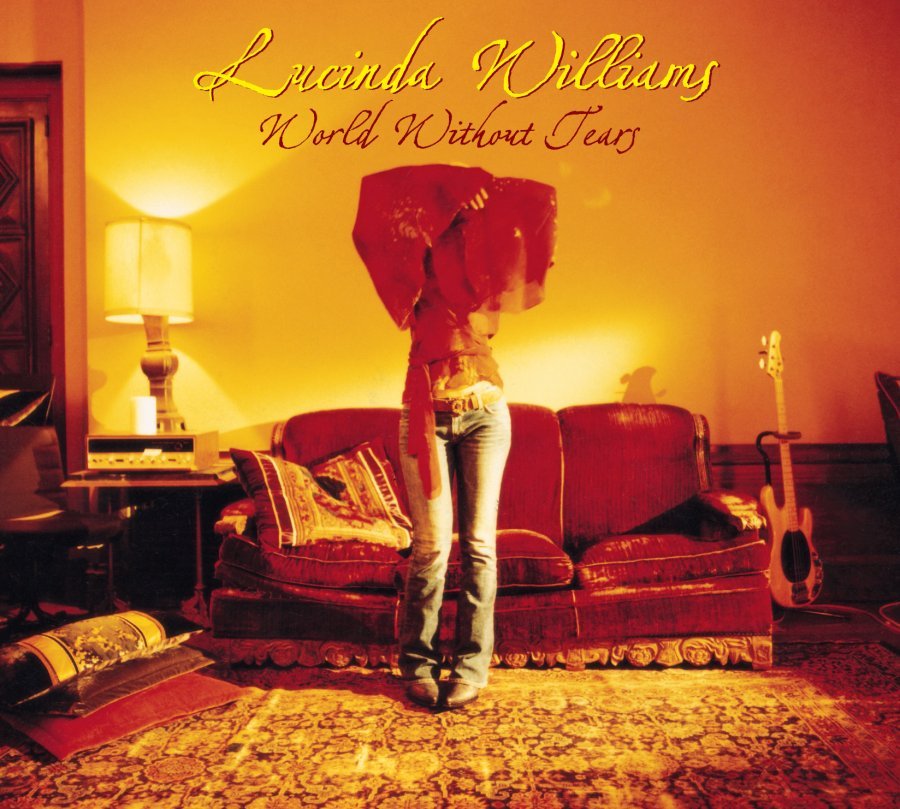
 View Artist