Song Meaning
The lyrics paint a picture of fleeting pleasure and the relentless march of time. The opening verse sets a scene of indulgence, where moments of leisure are observed passing by like a flowing stream. This initial comfort, however, is immediately undercut by the stark, repeated assertion that time is indifferent to human experience. The narrator acknowledges a shared state of being, "star-crossed in pleasure," yet the core message is one of individual isolation in the face of time's passage.
The central tension lies in the contrast between human desires for lasting enjoyment and the absolute, impartial nature of time. While people seek "fame everlasting" and "build towers to their passing," time is depicted as an active force, "chopping and reaping," and even "laughing at their cheating." This personification of time as an agent of destruction and a dismisser of human ambition highlights the futility of trying to outrun or control it. The lyrics suggest that all efforts, whether for pleasure or legacy, are ultimately subject to time's unyielding agenda.
The most striking aspect of the writing is the stark, almost brutal, repetition of the chorus, "Time waits for no one / And it won't wait for me." This refrain acts as a constant, grounding reminder of mortality and the ephemeral nature of existence. The shift in Verse 3 from "no one" to "no man" subtly broadens the scope, implying that time's indifference extends to all of humanity, not just the individual narrator. The imagery of time as something that can "tear down a building" or "destroy a woman's face" is visceral, emphasizing its destructive power over both the tangible and the personal.
Ultimately, these lyrics resonate because they articulate a universal anxiety about mortality and the passage of time in a direct, unadorned way. The effectiveness comes from the bluntness of the chorus, which serves as an inescapable truth, and the vivid, almost menacing, descriptions of time's destructive capabilities. The advice to "Drink in your summer / Gather your corn" offers a brief moment of carpe diem, but it's framed by the certainty that these moments, like "dreams of the night time," will "vanish by dawn," reinforcing the overarching theme of impermanence.
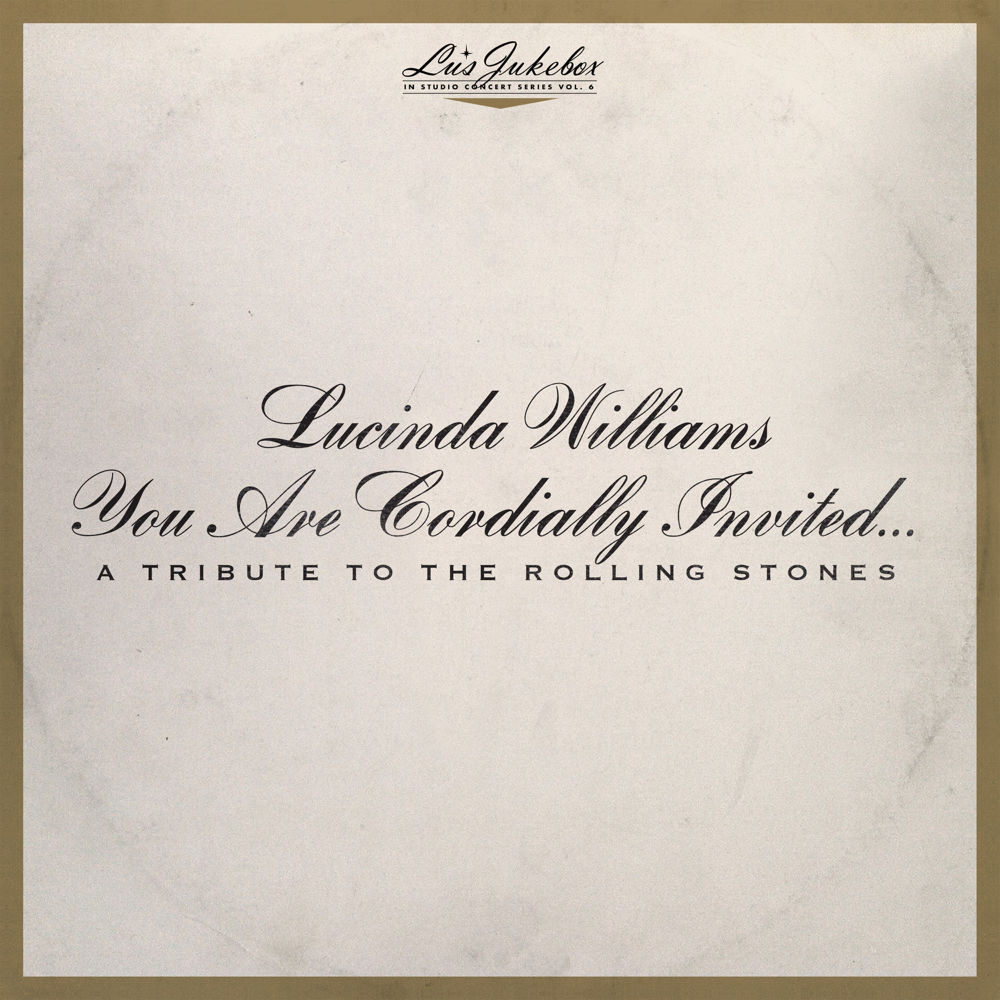
 View Artist