Song Meaning
The lyrics present a stark contrast between the perceived value of a "fancy funeral" and the practical needs of the living. The narrator directly challenges the idea that extravagant final tributes are worthwhile, arguing that the "money better spent" on necessities like groceries and bills. This isn't about devaluing remembrance, but about prioritizing tangible support for those left behind over superficial displays.
The central tension lies in the narrator's pragmatic view clashing with societal expectations of elaborate mourning rituals. While acknowledging the desire for "lovely yellow daffodils" and "long black limousines," the lyrics emphasize the immense financial burden these "unnecessary frills" represent – "three or four months' salary." This highlights a disconnect between emotional expression and financial reality.
The craft here is in the direct, almost blunt, refutation of conventional mourning. Phrases like "not worth it in the end" and "never justify the cost" cut through sentimentality. The repeated emphasis on practical needs like "groceries" and "bills" grounds the argument, making the narrator's plea for fiscal responsibility in grief feel both sharp and sensible.
Ultimately, these lyrics resonate because they offer a different perspective on loss. They suggest that true value isn't in the cost of a send-off, but in the enduring absence of the deceased. The final lines, "no amount of riches / Can bring back what you've lost," powerfully underscore that no expense can truly mend the void, making the financial outlay seem even more futile.
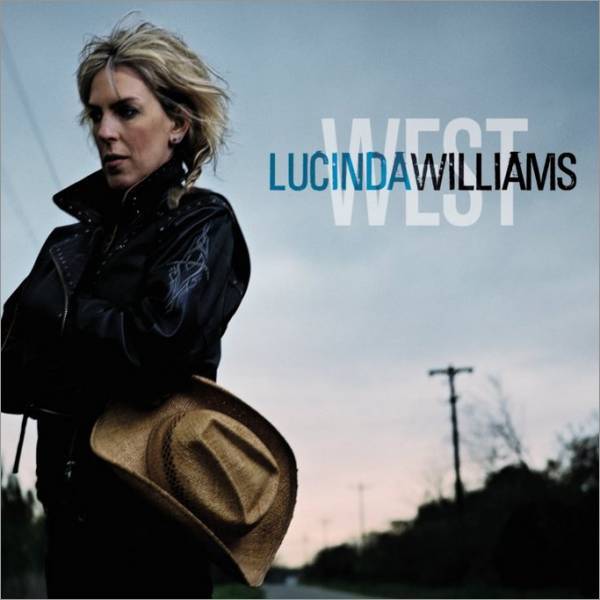
 View Artist