Song Meaning
The lyrics paint a picture of profound longing and a struggle for self-identity against a backdrop of natural imagery. The opening lines establish a sense of transformation, where moisture dries and lightness becomes heavy, mirroring an internal shift. The narrator finds it impossible to detach core elements – the scent from a flower, the waves from the sea, the name of their beloved from themselves. This inability to separate is amplified by the imagery of "snowflakes scattering" and a river rushing to the sea, suggesting an unstoppable, perhaps overwhelming, force at play.
The central tension emerges in the pre-chorus and chorus, where the narrator questions if their beloved understands the depth of their sacrifice and the pain of their existence. The image of a bird's nest woven from its own chest feathers is particularly striking, highlighting a self-inflicted wound for the sake of another. The chorus then articulates a desire not for grand gestures like "a thousand kisses," but for the simple affirmation of being "myself, just myself," free from being defined as "someone's something."
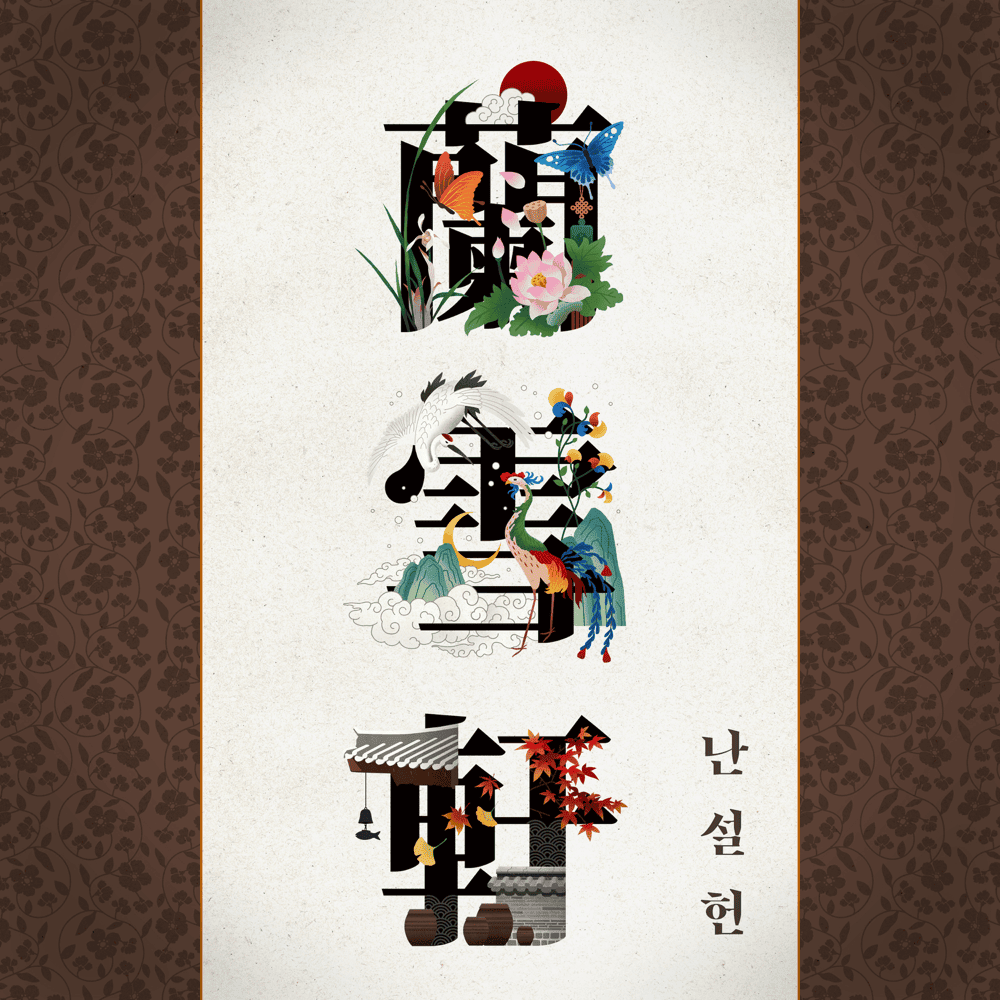
The second verse deepens this theme of confinement and unfulfilled longing. Butterflies that once fluttered in the "inner quarters" cannot return, and even adornments like a golden hairpin or floral jacket only yield "incense smoke." The repeated line "a crane's fate in the mirror" suggests a beautiful but trapped existence, a recurring motif of being seen but not truly free. This echoes the earlier sentiment of the narrator's own name being inseparable from their beloved, implying a loss of self within the relationship.
Ultimately, the power of these lyrics lies in their delicate yet insistent articulation of a desire for authentic selfhood. The contrast between the natural world's relentless flow and the narrator's internal stasis, coupled with the yearning for simple recognition of their being, creates a poignant emotional resonance. The final image of a lotus falling "redly" from frost suggests a beautiful, perhaps tragic, end to something pure, reinforcing the bittersweet struggle for self-definition.
 View Artist