Song Meaning
The narrator is consumed by a desperate longing to reunite with a lost love, so much so that the desire itself feels like a physical pain. They’re ready to shed any pretense of pride or fear of judgment, emphasizing that the only thing that matters is recapturing the intimacy they once shared. This yearning is so potent it overrides any concern about appearing weak or cowardly in the eyes of others, highlighting the depth of their emotional investment.
The core tension lies in the narrator's plea for reconciliation versus the implied resistance or absence of the other person. The lyrics explicitly state, "you don't come back because you don't want to, darling," framing the reunion as dependent on the other's willingness. This creates a palpable sense of unrequited effort, where the narrator is willing to lay their pride bare – "my pride is already fallen" – if only the other person reciprocates the desire to try again.
The most striking element is the shift in motivation presented in the parenthetical asides. Initially, the plea is framed around personal love and the desire to avoid repeating past mistakes. However, the interjections "and don't do it for me, darling, do it for the child" introduce a powerful external factor. This suggests the relationship's potential renewal is now tied to a third party, adding a layer of complex responsibility and perhaps a more compelling reason for the other person to reconsider.
Ultimately, the effectiveness of these lyrics stems from their raw emotional honesty and the relatable struggle of wanting to mend a broken connection. The narrator’s willingness to admit fault – "if we were both guilty, admit that it was so" – and their focus on moving past resentment – "let's forget the resentment" – paint a picture of someone genuinely seeking a healthier future. The final declaration that living apart is "a sin for our love" underscores the profound belief that their bond is worth fighting for, especially when a child’s well-being is involved.
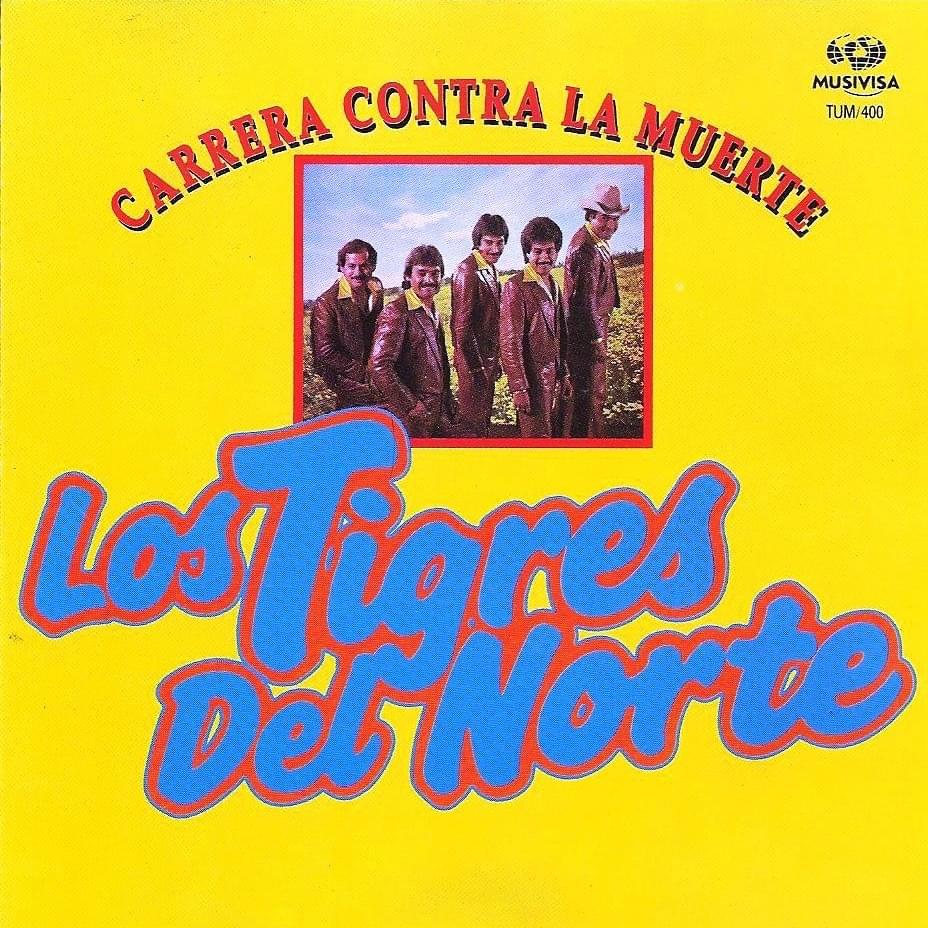
 View Artist