Song Meaning
A father attempts to offer wisdom, only to be sharply dismissed by his youngest son. The son's cutting words, "Pa' consejos ya estas viejo," declare the father's life "terminado." This immediate rejection leaves the father heartbroken, his "ojos brote el llanto." It's a raw, painful snapshot of generational disconnect.
The lyrics quickly establish a deep emotional wound: a parent's love and experience rejected by a child. The narrator's subsequent address to "Amigos" reveals a broader tension, suggesting this isn't just a personal slight but a universal parental struggle. He reflects on the sacrifices, giving "todo el cariño" and "parte de nuestro vida," and defiantly asserts that investing in children "No es una cuenta perdida." This reveals a parent grappling with perceived ingratitude, yet holding onto the inherent value of their role.
The narrative structure cleverly shifts perspectives, amplifying the emotional stakes. After the initial blow, the former spouse, "la que antes será mi esposa," delivers another cutting remark, calling him "muy poca cosa." This double rejection sets up a powerful moment of vindication. Unexpectedly, the eldest son steps in, asserting, "Mi padre es nuestro padre Y tienes que respetarle." This dramatic intervention transforms the scene, shifting from a father's humiliation to a powerful reclamation of respect within the family unit.
These lyrics resonate by tapping into the universal anxieties of parenthood and aging. The direct, unvarnished dialogue makes the characters feel incredibly real, drawing the listener into the raw family drama. The emotional arc, moving from profound hurt to a surprising, earned moment of familial respect, creates a compelling and ultimately redemptive narrative. It's a poignant exploration of how family dynamics can shift, and how respect, once seemingly lost, can be powerfully reaffirmed.
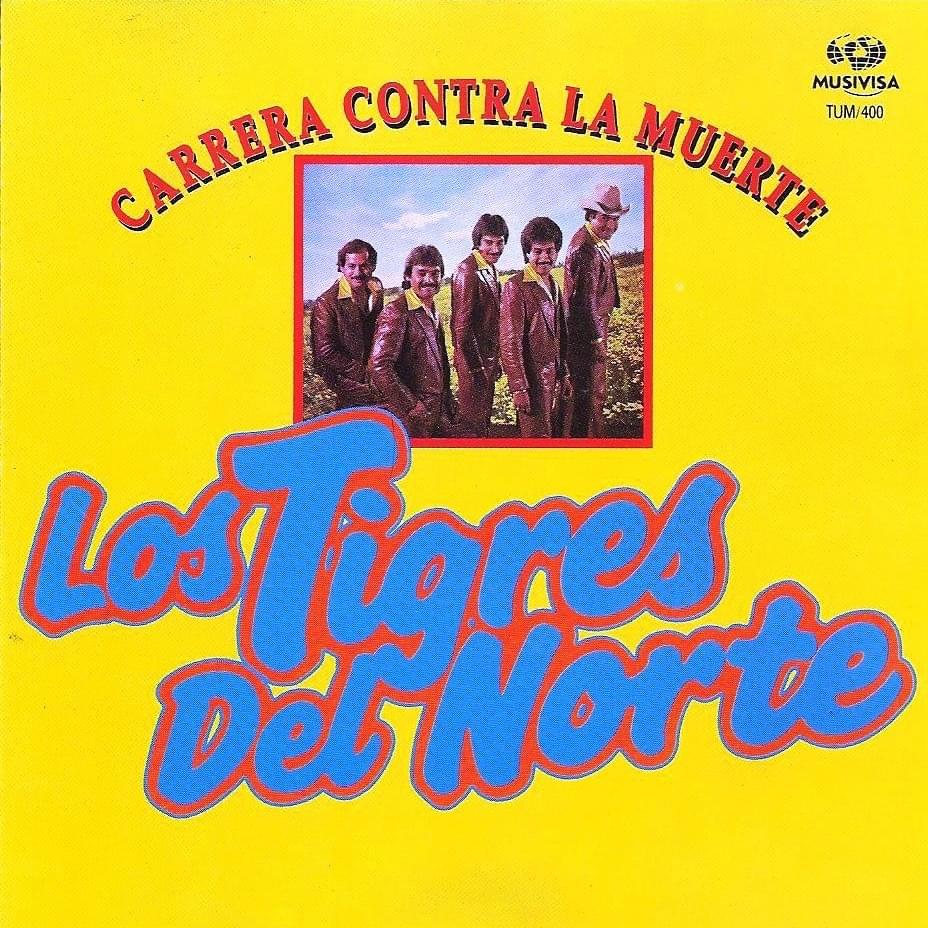
 View Artist