Song Meaning
The narrator grapples with the passage of time and the need to move on, yet finds solace and a new direction in a present love. The initial lines suggest a past hurt or a difficult period that needs to be forgotten, but the focus quickly shifts to the warmth and life found in a new relationship. This new love becomes the anchor, a way to live "poco a poco" and "de tu amor."
The core tension lies between the lingering shadows of the past and the vibrant reality of the present. The narrator acknowledges "cicatrices" (scars) within the "momentos más felices," indicating that past pain coexists with current joy. This isn't a simple erasure of the past, but an integration where the scars are part of the experience, something "que no debes borrar."
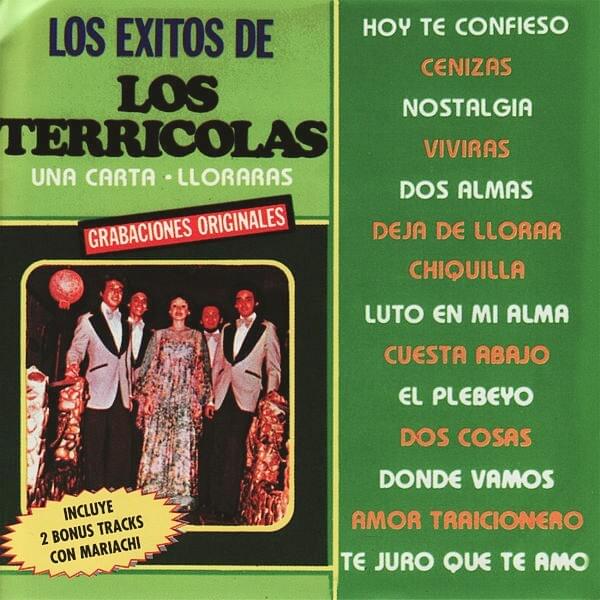
The most striking craft element is the direct, almost urgent confession that breaks through the more reflective tone. After vowing "jamás te olvidaré" and promising a stable future, the narrator pivots with "Pero yo / Hoy necesito de tu forma de vivir." This shift highlights a present need, a desire to escape loneliness "tan solitario aquí en la casa," culminating in the powerful, simple declaration: "Hoy te confieso vida / Yo te amo."
This directness is what makes the lyrics resonate. The contrast between the past's implied pain and the present's overwhelming need for connection creates a palpable emotional arc. The final, heartfelt "Te quiero mucho mi amor" seals the confession, grounding the complex emotions in a clear, present-tense declaration of love and dependence.
 View Artist