Song Meaning
The lyrics paint a stark picture of a recurring night, one that initially promises an endless escape with a captivating gaze. The narrator is drawn in by "tus ojos al brillar," suggesting a moment of intense connection or allure that feels like an invitation to a "noche sin final." This initial feeling of possibility, however, quickly dissolves into a profound sense of loss and inability to communicate.
The central tension arises from the abrupt shift from hopeful anticipation to utter speechlessness. The narrator is "prisionero de la noche," trapped not just by the darkness but by an internal paralysis. The repeated phrase "no supe qué decir" underscores a critical failure to express something vital, a moment where words fail to bridge the gap created by a look. This inability to speak becomes the defining characteristic of the experience, turning a potentially romantic encounter into a source of regret.
The most striking craft element is the relentless repetition of "no supe qué decir" and its variations, emphasizing the narrator's helplessness. This phrase acts as a refrain, hammering home the core emotional wound. The contrast between the initial invitation of the "ojos al brillar" and the subsequent silence highlights the missed opportunity. The lyrics suggest that this isn't just a single instance of awkwardness, but a recurring pattern, as the night returns "otra vez."
What makes these lyrics so effective is their raw portrayal of social anxiety and regret. The simple, direct language of "no supe qué decir" resonates because it captures a universal human experience: the moment when you desperately want to say something meaningful but are rendered incapable. The starkness of the imagery, particularly the recurring night and the piercing gaze, amplifies the feeling of being exposed and unable to respond, making the narrator's isolation palpable.
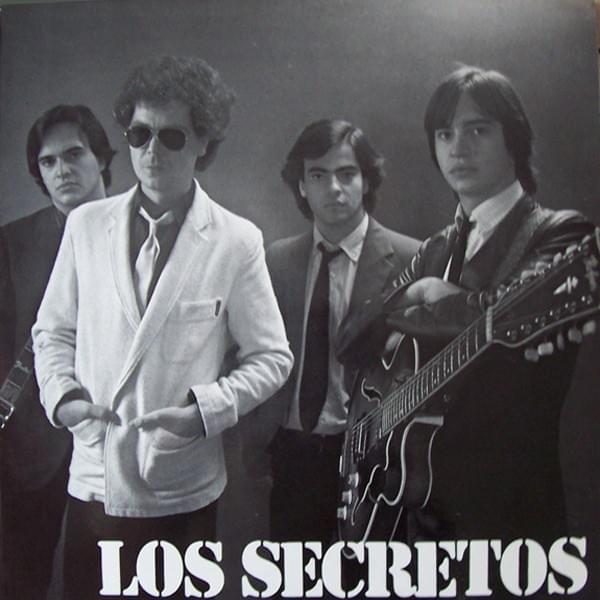
 View Artist