Song Meaning
This track paints a stark portrait of someone accustomed to a life of unearned privilege, living like a "niño mimado" – a spoiled child. The opening lines immediately establish this theme, suggesting an unawareness of how deeply ingrained this pampered existence has become. The narrator observes a past where everything, from social interactions to material comforts, was effortlessly available, seemingly funded by a parental figure.
The core tension lies in the dramatic contrast between this past and the present. The lyrics describe a former self whose appearance and charisma captivated others, where money was no object because it was provided. This image of effortless success and vibrant living, a "world full of color," is directly juxtaposed with the current state: a thinner, trembling individual whose face now lacks any glow. The "vicios en el 80" (vices in the 80s) have apparently become more sophisticated, yet the outcome is a visible decline.
The most striking craft element is the direct, almost clinical observation of physical and emotional decay. The repeated phrase "El dinero no importaba / Pues tu mami te lo daba" (Money didn't matter / Because your mommy gave it to you) serves as a recurring motif, underscoring the root of the character's entitlement and, perhaps, their eventual downfall. The shift from a "resplandor" (glow) to a lack thereof, and the physical symptoms like "temblores en las manos" (tremors in the hands), are powerful indicators of a hidden cost to this sheltered life.
Ultimately, the lyrics resonate because they capture a specific kind of disillusionment. It's not just about losing wealth or status, but about the loss of a fabricated reality and the harsh confrontation with its consequences. The writing effectively uses concrete imagery of physical decline to illustrate the hollowness that can lie beneath a life of unearned ease, making the fall from grace feel palpable and cautionary.
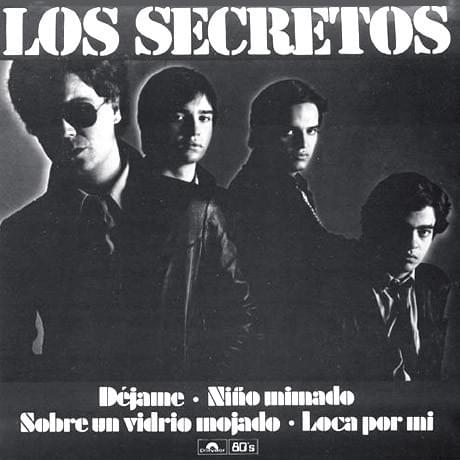
 View Artist