Song Meaning
The lyrics paint a stark picture of inescapable doom, a cycle where action and inaction both lead to destruction. The opening lines, "Me matan si no trabajo / Y si trabajo me matan," establish this suffocating paradox immediately. There's no winning, only the certainty of being 'killed,' a phrase repeated with desperate emphasis, highlighting a profound sense of powerlessness. This isn't just about labor; it's a metaphor for a system that crushes the individual regardless of their choices.
The narrative then shifts to observations that amplify this bleak outlook. The man watching the sunrise but unable to see it underscores a theme of blindness, not just literal but perhaps metaphorical, to hope or reality. The lyrics suggest a world where even the most beautiful natural events are lost on those trapped in their own darkness. This observation connects to the children playing, one pretending to kill another, mirroring the adult world's destructive patterns.
The most striking craft element is the juxtaposition of innocence and violence, particularly in the children's play. The narrator notes how these children "resemble / Men at work," drawing a chilling parallel between childhood games and the grim realities of adult life and labor. The question, "Who will tell them when they grow up / That men are not children?" reveals a deep concern that this cycle of violence and forced labor will perpetuate, blurring the lines between play and deadly necessity.
Ultimately, these lyrics resonate because they articulate a feeling of being trapped in a no-win situation, a sentiment that can feel intensely personal even when presented through broader societal observations. The repetition of "me matan" and the imagery of blindness and destructive play combine to create a powerful, almost primal expression of despair. It’s the raw, unvarnished portrayal of a life where survival itself feels like a losing battle.
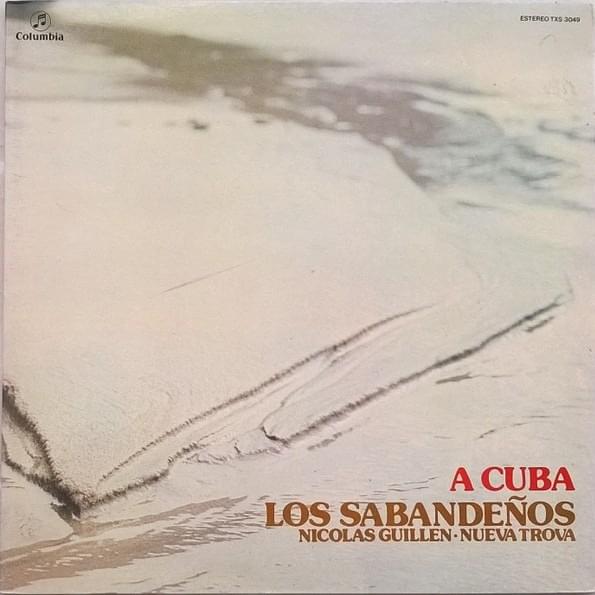
 View Artist