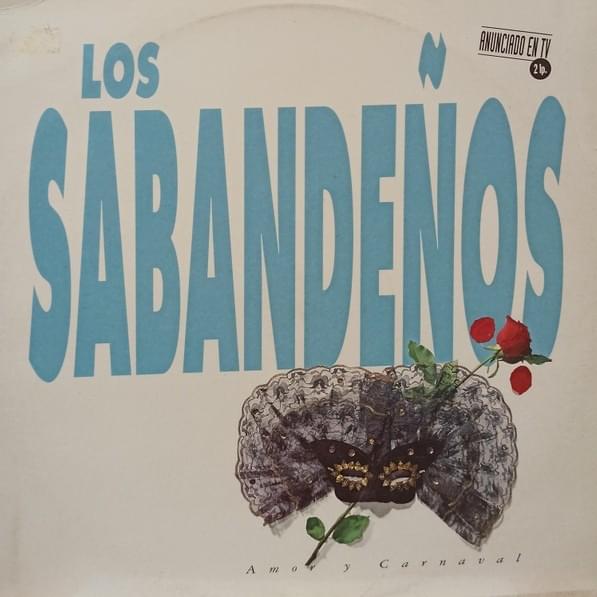
Song Meaning
This track dives headfirst into the intoxicating chaos of a masquerade, where identities blur and desires take center stage. The initial lines immediately set up a game of playful mystery: "¿Quién eres tú? Si te gusto adivina quien soy." It's a world where masks are not just costumes but tools for exploration, allowing the participants to "indagan / En su enamorado." The dominant tone is one of urgent, almost desperate, romantic pursuit, fueled by the anonymity the masks provide.
The core tension lies in the push and pull between revealing oneself and maintaining the illusion. The narrator expresses a profound desire to learn "este juego" and "morir en tus brazos," suggesting a longing for a connection so deep it transcends the superficiality of the masks. Yet, there's a conflicting self-presentation: "Yo soy el que ronda, poeta y cantor" versus the contradictory "Yo nado en dinero / No tengo un real." This juxtaposition highlights the performative nature of identity within the carnival, where one can be anything or anyone, even if it's a fabrication.
The lyrics masterfully employ contrasts to build this complex emotional landscape. The narrator claims to be "reina del baile" but admits "yo no sé bailar," and describes themselves as "modestilla aparte" yet "nací para sembrar." The most striking contrast comes with the declarations "Yo soy Colombina / Yo soy Pierrot," referencing classic commedia dell'arte characters, before the pivotal line "Pero es carnaval." This framing suggests that within this temporary, festive space, these archetypes, and indeed any persona, are fluid and permissible. The narrator's ultimate surrender to this fluidity is encapsulated in "De la forma que me quieras ver / Lo que quieras pedir te lo doy."
What makes these lyrics so potent is their embrace of ephemeral freedom. The carnival atmosphere, signaled by "Pero es carnaval," grants permission to shed the constraints of everyday identity. The narrator's willingness to be "De la forma que me quieras ver" is a powerful expression of vulnerability and desire, amplified by the temporary nature of the event. The repeated "Seas quien puedas ser / Lo que Dios quiera es" suggests a surrender to fate and the present moment, finding liberation in the unscripted possibilities of the masked night.