Song Meaning
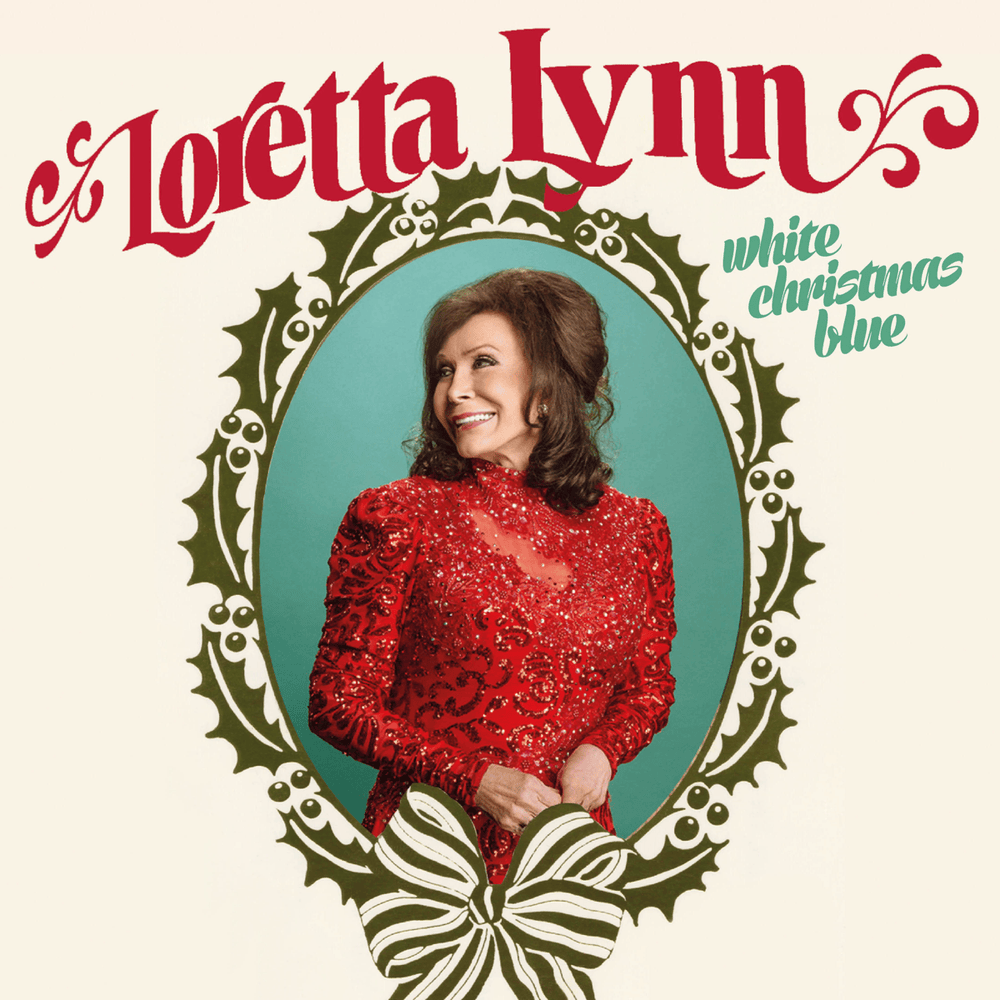
Loretta Lynn’s "White Christmas Blue" isn't your typical fireside holiday carol. It's a masterclass in yuletide melancholy, a stark portrait of loneliness draped in the deceptive glitter of Christmas cheer. The song's genius lies in its subversion of holiday expectations. Instead of warmth and togetherness, Lynn delivers a gut-wrenching depiction of a solitary Christmas Eve, colored by absence and longing. The repeated line, "You're turning my white Christmas blue," acts as both a lament and a subtle accusation. It's not just sadness; it's a direct consequence of someone's absence, a pointed finger wrapped in a ribbon of festive despair. The contrast between the idyllic Christmas imagery—icicles, glistening snow, Santa Claus, reindeer—and the singer's emotional state is particularly effective. These classic symbols of joy only amplify the hollowness she feels. She *should* be feeling ho-ho-ho, but it's boo-hoo-hoo instead. This single line encapsulates the song's central conflict: the pressure to perform happiness against the crushing weight of personal sorrow.
Lynn’s speaker isn't wallowing; she's working. She's wrapping presents, maintaining the facade of Christmas for her sleeping children. This sense of duty underscores the depth of her sacrifice. She's putting on a brave face, ensuring her children experience the magic of Christmas even as her own heart is breaking. There's a subtle layer of bitterness in the line "Gotta stocking full of hurt for you-know-who." It suggests a simmering resentment beneath the surface of her sadness, a quiet fury directed at the absent loved one who has shattered her Christmas dreams. It’s a mature, complex emotional landscape, far removed from the saccharine sentiments often associated with holiday music.
"White Christmas Blue" transcends the typical Christmas song genre by exploring the darker side of the holidays. It’s a reminder that for many, Christmas isn't a time of unadulterated joy, but a period of heightened vulnerability and pain. The lyrics analysis reveals a profound understanding of the human condition, the ability to feel intensely even (or especially) when surrounded by the forced cheer of the season. The brilliance of Loretta Lynn here, as always, is her unflinching honesty. She doesn’t shy away from the pain; she embraces it, transforming personal heartbreak into a universally resonant expression of holiday sorrow.