Song Meaning
Loretta Lynn's rendition of "Away in a Manger" isn't merely a Christmas carol; it's a study in emotional projection and the human need for divine comfort. The lyrics, seemingly simple, paint a picture of profound vulnerability and the yearning for protection. The opening lines, emphasizing the lack of a crib, immediately establish a sense of precariousness. This isn't a majestic king, but a vulnerable infant exposed to the elements. This vulnerability, in turn, creates a space for the listener to project their own anxieties and desires for safety onto the figure of Jesus. The hay, the lowing cattle, the star-filled sky – these details construct a scene of rustic poverty, making the divine infant relatable and accessible. The repetition of these images reinforces the idea of a humble beginning, a stark contrast to the power and authority typically associated with religious figures. This contrast is central to the song's emotional impact.
The second verse shifts the perspective slightly, introducing the singer's personal devotion and desire for protection. The line, "But little Lord Jesus no crying he makes," is particularly striking. It suggests an almost unnatural serenity, perhaps reflecting an idealized image of childhood innocence and divine grace. More importantly, it then pivots to the singer's plea: "I love our Lord Jesus look down from the sky / And stay by my cradle till morning is nigh." This isn't just about witnessing the birth of Jesus; it's a direct appeal for personal solace and security. The singer seeks the same protection for herself that the stars offer the infant Jesus, creating a parallel between the divine and the human need for comfort.
Ultimately, Lynn's interpretation of "Away in a Manger" taps into a universal desire for safety and reassurance. The song's power lies not in its theological complexity, but in its emotional directness. It's a lullaby for the soul, a reminder that even in the humblest of circumstances, hope and protection can be found. The "song meaning" resides in its ability to evoke a sense of childlike wonder and unwavering faith, offering a comforting vision of a world where even the most vulnerable are watched over and cared for. Through the lyrics, Lynn creates a space for personal reflection and a profound connection to the divine, making it more than just a carol, but an intimate prayer.
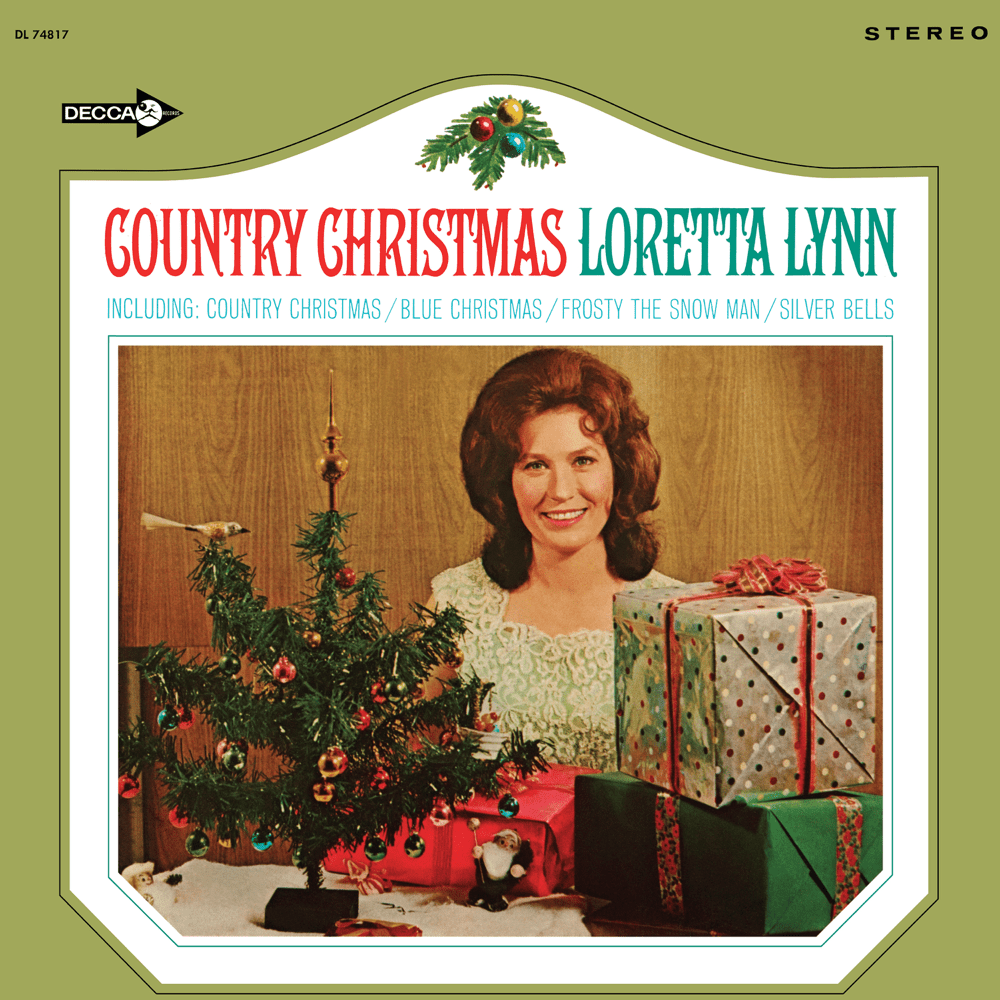
 View Artist