Song Meaning
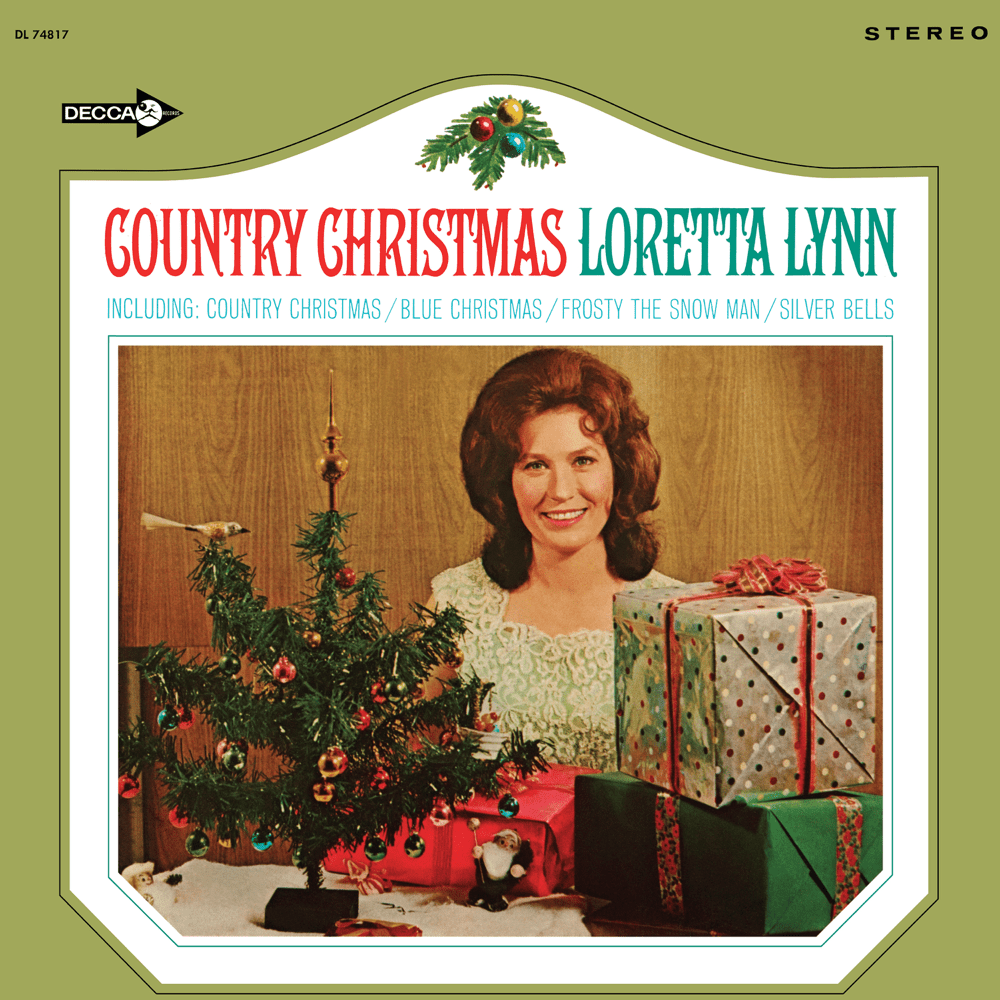
Loretta Lynn's take on "Santa Claus Is Comin' to Town" isn't just a festive jingle; it's a fascinating exploration of childhood morality wrapped in a catchy melody. The song's premise—an omniscient Santa meticulously cataloging our behavior—taps into primal fears of judgment and the desire for approval. Lynn, with her signature blend of warmth and authority, delivers the lyrics as less of a threat and more of a gentle, homespun truth. It's a reminder that even when we think we're alone, our actions have consequences, observed by a benevolent, if slightly unnerving, higher power. The genius of the song lies in its simplicity; it doesn't preach or moralize, but rather presents a clear cause-and-effect scenario easily grasped by young minds.
Beyond the immediate message of behaving well, the song touches on deeper psychological themes. The "list" Santa keeps represents the societal norms and expectations we internalize from a young age. The act of "checking it twice" hints at the constant self-monitoring we engage in, weighing our impulses against what is deemed "naughty" or "nice." Lynn's rendition, in particular, carries a maternal weight. It's the voice of a mother who wants her children to be good, not just for the sake of presents, but for their own well-being and integration into the community. In this respect, Santa becomes a symbolic extension of parental authority, reinforcing the values instilled at home.
The enduring appeal of "Santa Claus Is Comin' to Town," especially as interpreted by Loretta Lynn, resides in its ability to resonate on multiple levels. It's a Christmas carol, yes, but also a subtle commentary on social conditioning and the psychological forces that shape our behavior. Lynn's down-to-earth delivery strips away any saccharine sentimentality, leaving behind a surprisingly potent meditation on the ever-present tension between individual desire and societal expectations, all bundled up in a classic Christmas package.
 View Artist