Song Meaning
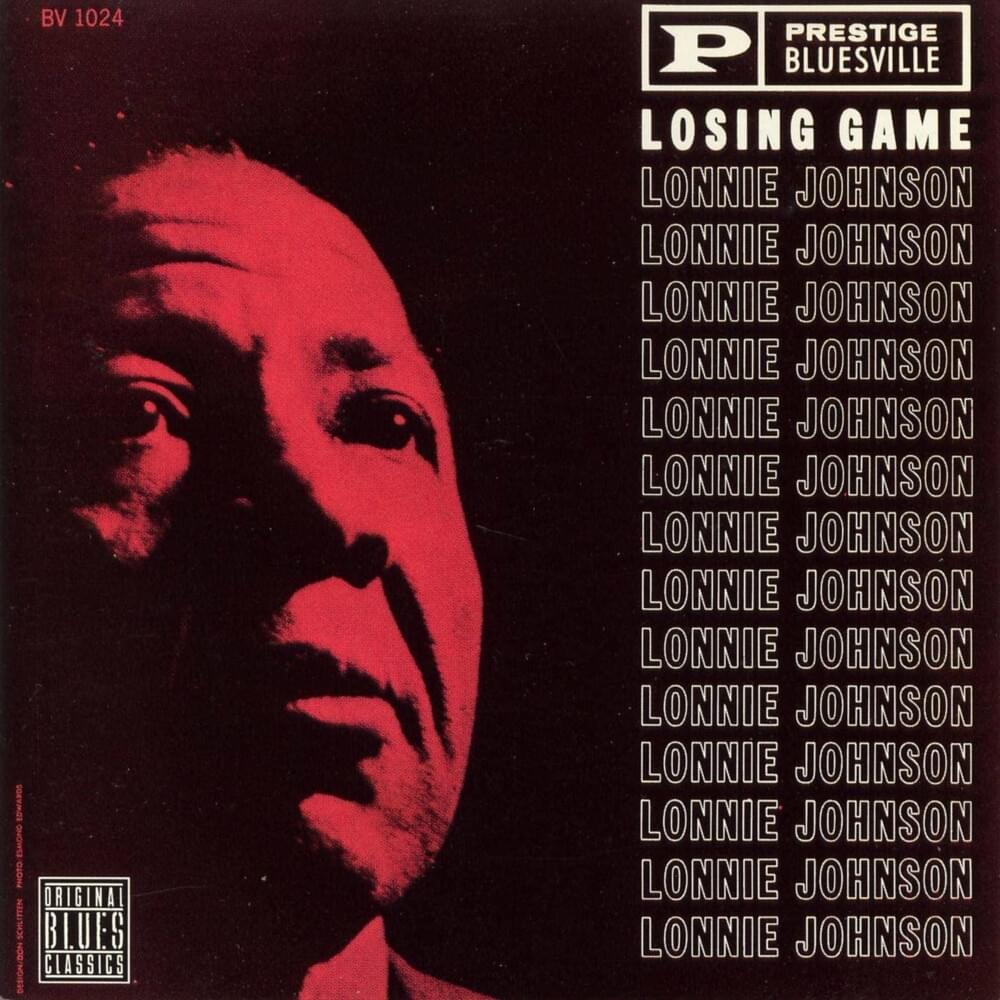
Lonnie Johnson's "Lines in My Face" isn't just a blues lament; it's a stark cartography of heartbreak etched onto the human form. The literal "lines" become metaphorical records, each groove a testament to romantic disappointment. Johnson masterfully uses the blues idiom to explore how emotional trauma manifests physically, turning the body into a living archive of pain. It's a visceral depiction of love's ability to leave permanent scars, a concept that resonates deeply precisely because it's so relatable. The raw honesty in Johnson's delivery amplifies the song's impact, making it impossible to ignore the weight of his experience. "Lines in My Face" transcends a simple tale of woe; it's a study of resilience, or perhaps the lack thereof, in the face of emotional adversity.
Johnson's lyrical simplicity belies the complexity of the song's emotional landscape. The repeated refrain about heartaches causing the lines serves as both a confession and an explanation. He's not merely stating a fact; he's offering a glimpse into the profound connection between emotional suffering and physical aging. The bluesman's yearning to "wash" his heart clean is a poignant expression of the desire to erase the past, to undo the damage inflicted by love. This desire, however, is tempered by a stubborn hope for reconciliation, a clinging to the possibility of future happiness that underscores the paradoxical nature of heartbreak. The lyrics hint at the torment of being trapped between the desire for healing and the pull of enduring love, a conflict that defines the human condition.
Ultimately, the song meaning of "Lines in My Face" lies in its unflinching portrayal of vulnerability. Johnson lays bare the emotional toll of love gone wrong, refusing to sugarcoat the pain or offer easy solutions. The blues tradition provides a safe space for such raw expression, and Johnson uses it to full effect. The almost unbearable line, "When the one you love disappoints you in life / Life is a living hell", encapsulates the despair at the heart of the song. It's a chilling reminder of the power that others hold over our emotional well-being, and the lasting impact of their actions. Johnson's song lingers in the mind long after the last note fades, a testament to the enduring power of the blues to capture the essence of human suffering.
 View Artist