Song Meaning
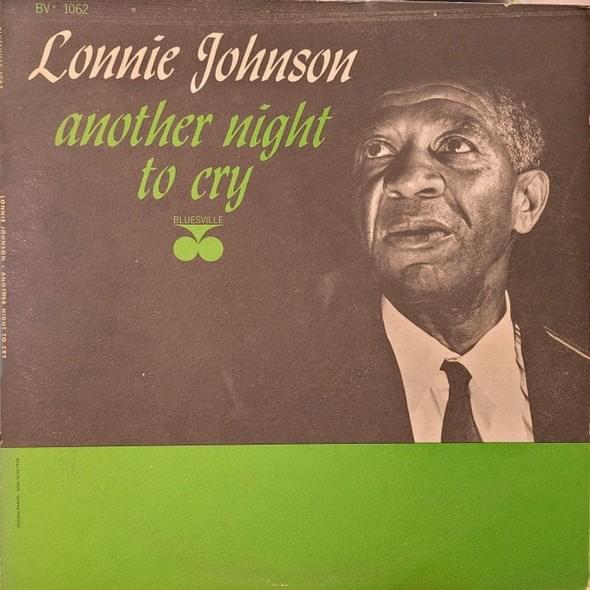
Lonnie Johnson's "Another Night to Cry" isn't just a blues lament; it's a study in the push and pull of toxic devotion. The song meaning revolves around a familiar, yet potent, dynamic: unrequited love curdling into bitter, defiant resignation. Johnson’s lyrics paint a picture of a lover acutely aware of their own vulnerability, confessing an inescapable infatuation even as they’re being actively wounded. The rawness lies not just in the pain, but in the speaker's self-awareness. He admits his helplessness, knowing full well his affections are met with indifference, even mockery. This creates a fascinating tension between the emotional plea and the burgeoning desire for self-preservation.
The core psychological conflict in "Another Night to Cry" hinges on the power imbalance within the relationship. Johnson sings, "You laugh at my face when I say, I love you / And walk away with somebody else," highlighting the cruel indifference he faces. This rejection fuels a cycle of pain and dependency, a desperate clinging to a love that offers no reciprocation. Yet, the song isn’t solely an exercise in masochism. There's a simmering threat woven into the fabric of the lyrics, a promise of karmic retribution: "You can't keep on hurtin' me / Unless you get hurt yourself." This hints at the inherent instability of the situation, suggesting that the perpetrator's actions will eventually lead to their own downfall.
Ultimately, "Another Night to Cry" transcends simple heartbreak through its exploration of agency. The final verse marks a turning point, a declaration of liberation. The repeated lines, "Go on and have your fun / Do anything that you want to do," initially sound like further capitulation, but they're laced with a newfound detachment. The closing proclamation, "it's my last night to cry / I'm really through with you," signifies a reclamation of self. The song's journey—from wounded vulnerability to a steely resolve—captures the complex process of breaking free from a destructive emotional entanglement. It's a blues song, yes, but also a testament to the human capacity for self-healing and the eventual rejection of emotional exploitation.
 View Artist