Song Meaning
Lola Flores's "Mi abuelita tenía un pollito" might seem like a simple children's rhyme at first listen, but beneath the surface of this seemingly innocent song bubbles a mischievous energy that hints at deeper, more subversive themes. The lyrics, centered around a grandmother and her unusual pet chicken, quickly veer into suggestive territory, layering folk humor with coded sexual innuendo. The chicken, kept "under the bed" and exhibiting human-like behaviors such as sweeping and making salad, becomes a potent symbol of repressed desires and unconventional domesticity. The grandmother's encouragement – "¡Darle ahí, darle ahí, darle ahí!" – adds to the playful ambiguity, prompting the listener to question the true nature of the relationship and the boundaries of traditional roles. The song’s meaning exists not in the literal, but in the unspoken.
The latter part of the song introduces further layers of complexity. The grandmother's aggressive response to the granddaughter's desire to marry – threatening her with a stick – reflects societal anxieties around female autonomy and sexual expression. This is compounded by the seemingly nonsensical interjections about eating lemons and the "cachiporra" (club) of uncles Joaquín and Fernando. These images, laden with phallic symbolism and a sense of forbidden pleasure, suggest a world where sexuality is both feared and celebrated, hidden in plain sight within the folds of everyday life. The nonsensical phrases and repetitive nature of the lyrics create a hypnotic effect, drawing the listener into a dreamlike state where the boundaries between innocence and experience blur.
Ultimately, the song's enduring appeal lies in its ability to tap into the subconscious. The seemingly absurd narrative acts as a screen onto which listeners can project their own desires, anxieties, and interpretations of societal norms. "Mi abuelita tenía un pollito" isn't just a nursery rhyme; it's a sly commentary on the complexities of family, sexuality, and the enduring power of the unspoken. It’s a reminder that even the most innocent-seeming stories can contain hidden depths, inviting us to question the narratives we inherit and the meanings we ascribe to them.
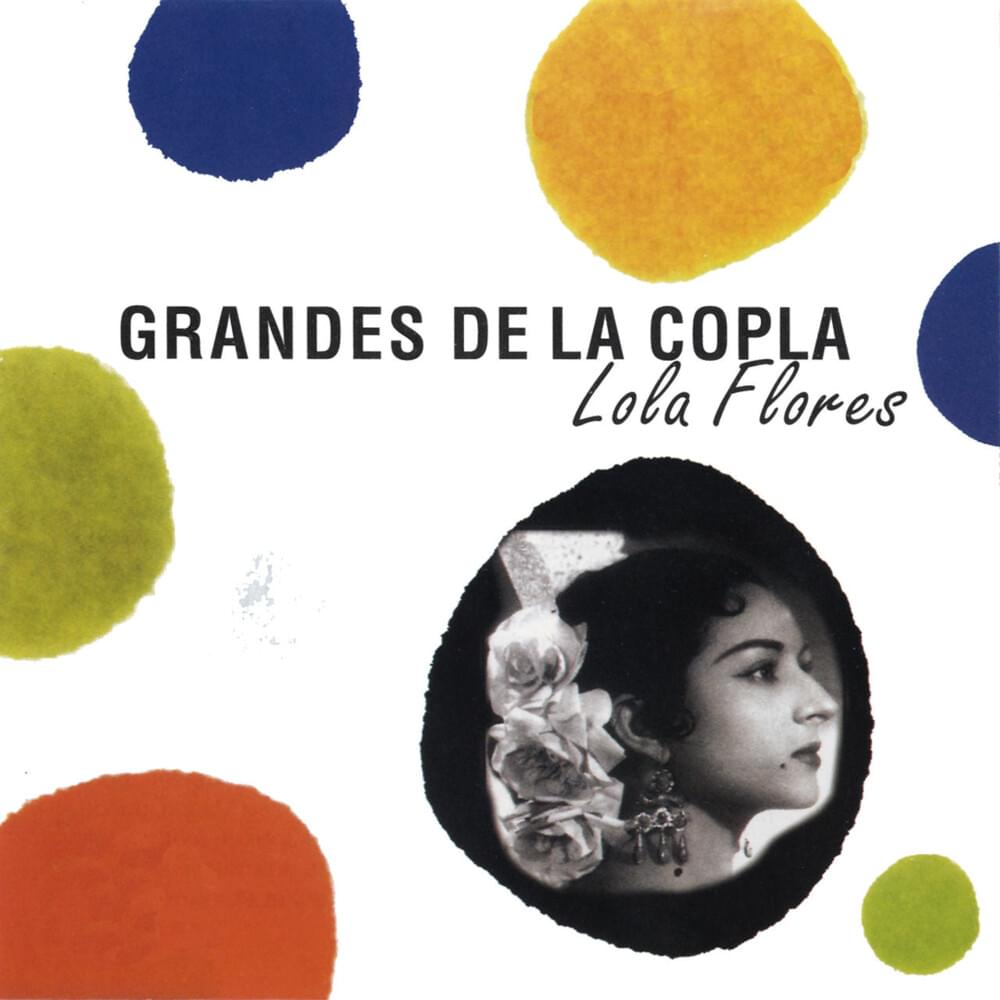
 View Artist