Song Meaning
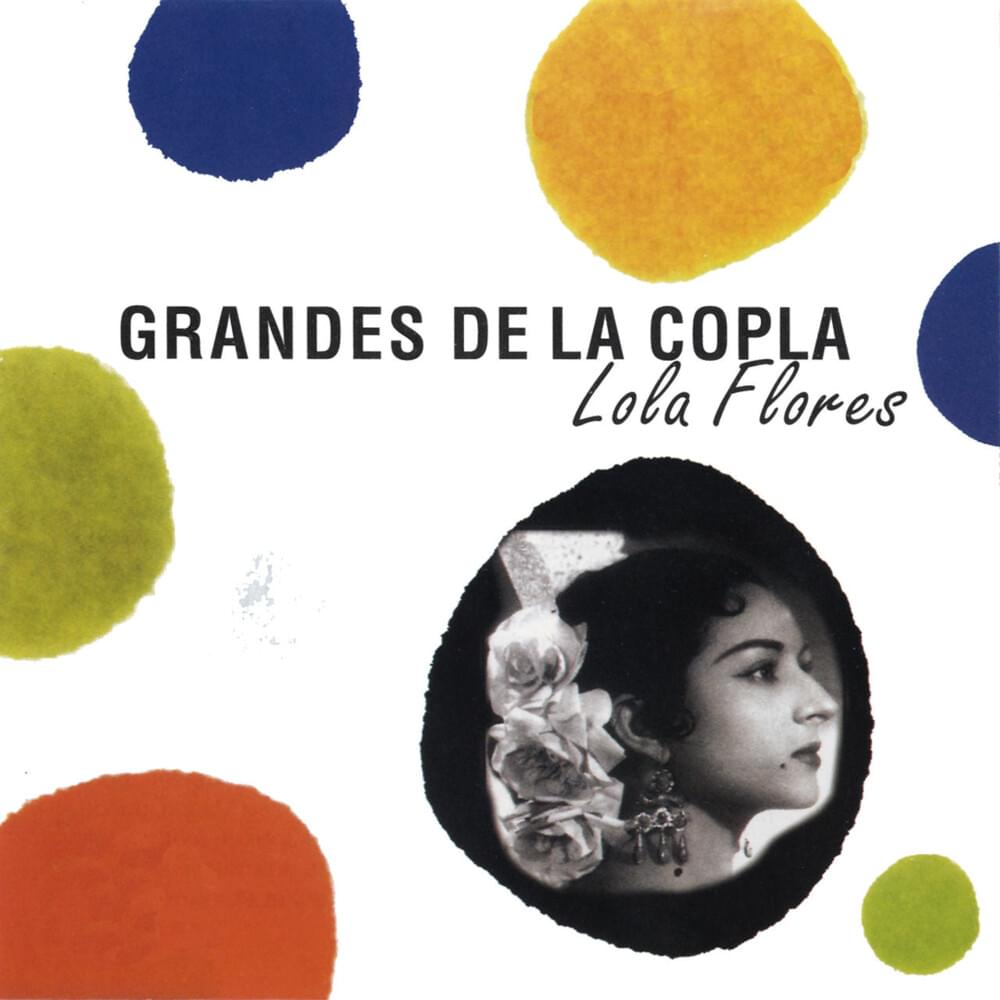
Lola Flores' "La Salvaora" isn't just a song; it's a stark warning draped in the seductive allure of flamenco. The lyrics paint a vivid picture of a young woman, *La Salvaora* herself, whose beauty is as undeniable as her intentions are suspect. The opening lines immediately establish a sense of foreboding, lamenting the suffering of a young boy ensnared by her charm. It's a classic tale of forbidden love and the destructive power of infatuation, filtered through a lens of traditional Spanish anxieties about female sexuality and agency. The narrator, seemingly an elder offering cautionary advice, recognizes the potent, almost supernatural, hold *La Salvaora* has on the young man.
The repetition of her name, *La Salvaora*, throughout the song acts as both a description and an indictment. The lyrics directly question the wisdom of bestowing such a name upon her, implying a deep misunderstanding of her true nature. The narrator suggests that anyone who falls in love with her is doomed, "se pierde pa toda la vida" (is lost for all of life), highlighting the potentially ruinous consequences of succumbing to her allure. It's not just a fleeting romance; it's a complete and utter loss of self. The speaker even admits that, were he not already committed, he too would be vulnerable to her dangerous magnetism.
The final verse plunges into a raw emotionality, with the narrator expressing profound sorrow and a desperate hope that *La Salvaora*'s intentions will eventually turn "buenas" (good). This plea underscores the perceived threat she poses to the established social order and the well-being of the community. The song's power lies in its ability to capture the complex and often contradictory emotions surrounding female desire, portraying *La Salvaora* as both an object of intense fascination and a source of profound fear and anxiety. The *ay, ay, ay* at the song's close is a primal scream of sorrow and resignation.
 View Artist