Song Meaning
The lyrics paint a picture of someone observing another person, a "precious little pearl," who seems to live a life devoid of struggle or deep emotional engagement. The narrator questions this perceived ease, asking "have you ever had a care in the world?" This sets up an immediate tension between the observer's own experience and the other's apparent carefree existence. The narrator seems to be grappling with the other's detachment, wondering "what's it all about?"
The core conflict arises from the narrator's perception of the other person's emotional shallowness versus the narrator's own capacity for feeling. The narrator dismisses the idea that the other could even shed a "crocodile" tear, suggesting a profound lack of genuine sorrow or empathy. This contrasts sharply with the narrator's own implied emotional depth, as they express a need to understand why the other person "don't you know, you really are the sweetest thing," despite this perceived emotional void.
The most striking aspect of the writing is the ironic use of "sweetest thing." While ostensibly a term of endearment, it's delivered in a context that questions the very sincerity and depth of the person being addressed. The narrator admits, "I used to admire you," but then pointedly states, "No, I never cared for you," creating a complex emotional landscape where admiration and affection are distinctly separated, and perhaps even contradictory. This suggests a past fascination that has soured into critical observation.
Ultimately, these lyrics resonate because they capture a specific kind of disillusionment. It's the moment when you look at someone you once idealized and see not their charm, but a fundamental lack of substance. The narrator's direct address and probing questions, coupled with the repeated, almost taunting, "sweetest thing," highlight the painful realization that surface-level pleasantness can mask a profound emotional emptiness, leaving the observer to question their own past perceptions.
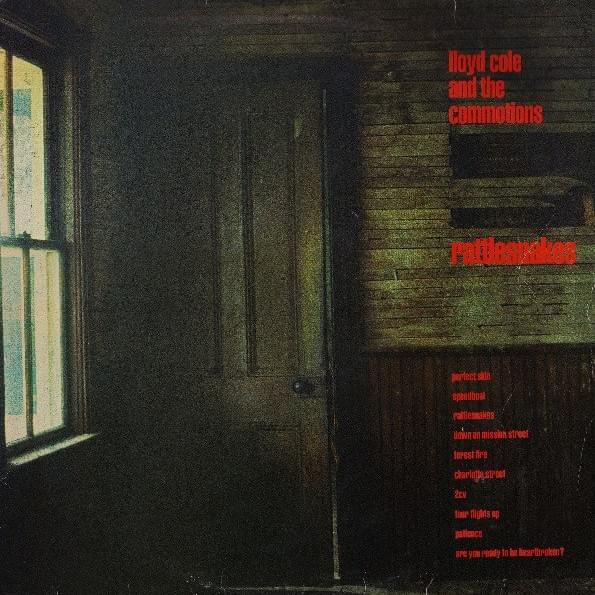
 View Artist