Song Meaning
The narrator grapples with the feeling of being stuck, caught between the conventional wisdom that life truly begins at thirty and the messy reality of their current existence. There's a palpable sense of resignation, a feeling of just 'getting on' without much direction or fulfillment. This is amplified by observing others in 'backstreet bars' seeking fleeting comforts, a behavior the narrator seems to both recognize and distance themselves from, even as they admit to a similar, perhaps more desperate, hope.
The core tension lies in the narrator's yearning for connection versus their cynical pronouncements about love. They express a simple, almost childlike hope that someone might 'stick around until the morning,' a plea for temporary companionship that belies their own jaded assertions that 'love's not everything.' This internal conflict between vulnerability and a practiced detachment creates a poignant portrait of someone afraid to fully invest emotionally, lest they be disappointed again.
The repeated phrase 'fool for love' acts as a self-deprecating label, acknowledging a pattern of chasing after affection despite the apparent futility. The lyrics suggest a cycle of wanting, hoping, and ultimately falling into the same emotional traps, regardless of how much they claim to have learned or how much they try to adopt a 'lush life' philosophy. The repetition of 'not only the lonely' hints that this pursuit of love, even when it ends in disappointment, is a shared human experience, not just an isolated failing.
Ultimately, the effectiveness of these lyrics stems from their raw honesty about the awkward, often unglamorous search for connection. The narrator’s voice is weary but not entirely defeated, capturing the bittersweet realization that even a 'fool for love' is still, in some fundamental way, reaching out. It’s this blend of self-awareness and persistent hope that makes the narrator's situation so compelling.
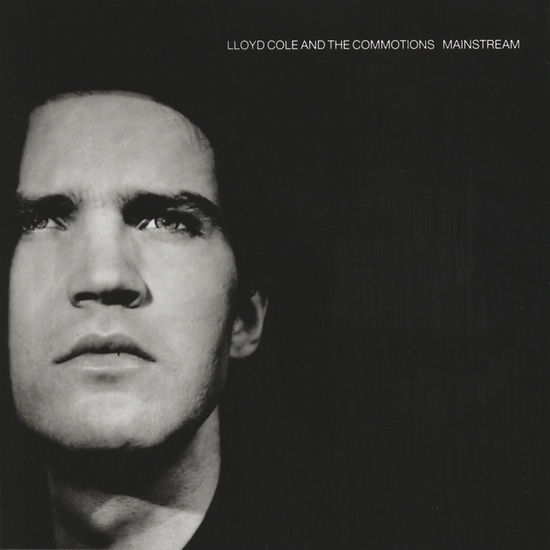
 View Artist