Song Meaning
The lyrics paint a stark picture of a transactional, perhaps exploitative, relationship where one party, the 'pretty one,' is ultimately discarded. The opening lines immediately establish a sense of deferred consequence: 'Somebody somewhere must pay / Not you, you just walk away.' This sets up a dynamic where the narrator, or the subject of the song, is absolved of responsibility while another, the 'pretty one,' is left to deal with the fallout, metaphorically 'at the top' with her 'head in the clouds.' The narrator seems to be observing this dynamic with a critical, almost detached, eye.
The central tension lies in the narrator's apparent awareness of the 'pretty one's' vulnerability and the other person's callousness. Questions like 'Was she easily led?' are posed, but immediately undercut by a more damning observation of the other person's state: 'You, unwashed and undressed.' The 'pretty one' is described as having 'her head full of your cigarettes,' suggesting a state of intoxication or being consumed by the other person's influence. The repeated phrase 'you don't know what to want / 'Til it's gone, gone, gone' highlights a pattern of taking things for granted until they are irretrievably lost.
The most striking aspect of the craft is the juxtaposition of innocence and corruption, particularly in the recurring image of the 'pretty one.' She is described as 'wrapped up in needlecord and coincidence,' a somewhat mundane yet evocative image, and later, 'half way to holiness.' This contrasts sharply with the 'unwashed and undressed' state of the other person and the implication that she will 'laugh, she will kiss she and tell.' The narrator's repeated pronouncements that she is 'pretty gone' and 'under your thumb' underscore her diminished state, a victim of someone who only realizes value in absence.
Ultimately, the lyrics resonate because they capture a specific kind of emotional damage: the slow erosion of a person's spirit through neglect and manipulation. The narrator's pointed observations, particularly the ironic command to 'put on your dress' and 'come down,' feel like a final, bitter acknowledgment of the 'pretty one's' lost potential. The song crafts a narrative of someone who is 'pretty gone' not just in presence, but in essence, a consequence of another's careless desire.
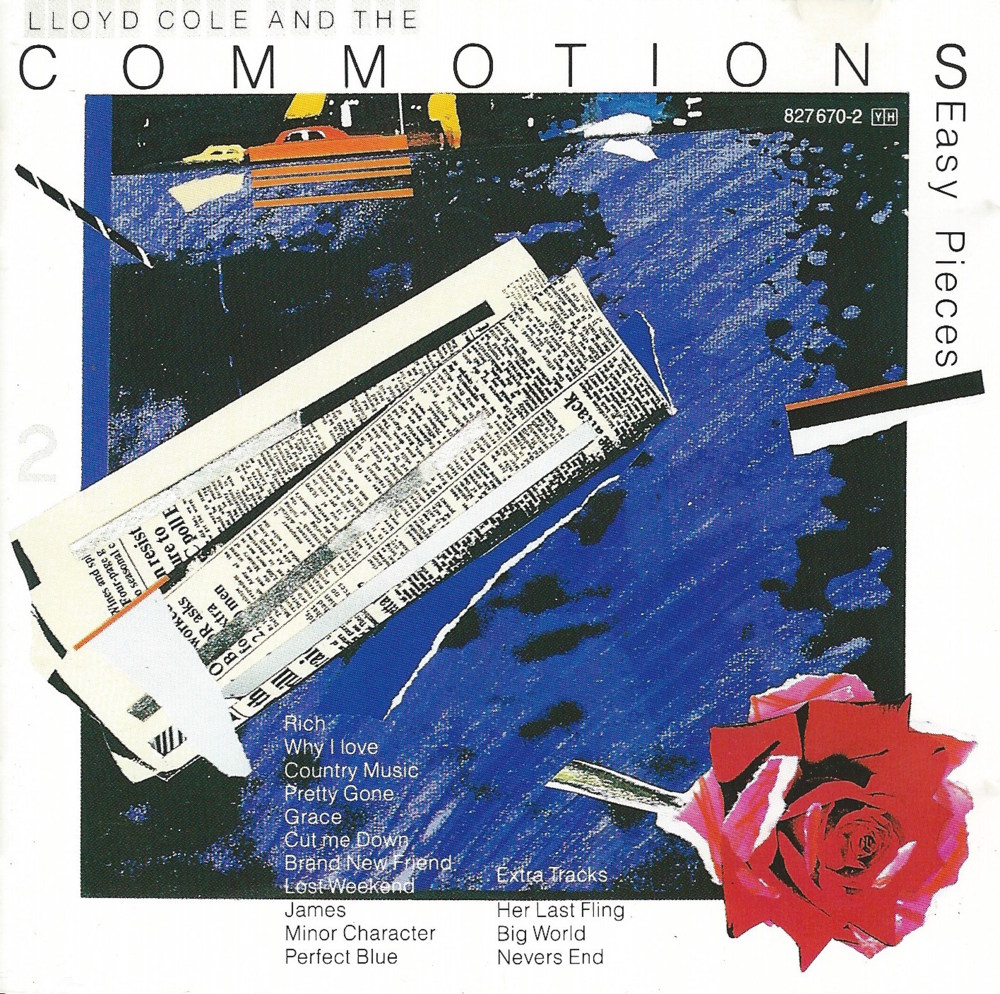
 View Artist