Song Meaning
The lyrics paint a picture of a past moment tinged with nostalgia and a present longing for connection. The opening lines, "Walking in the pouring rain / Walking with Jesus and Jane," establish a specific, almost surreal scene. The narrator explicitly states, "I was much happier then," immediately signaling a contrast between that past contentment and a current state of dissatisfaction. This sets up a central tension: the desire to recapture a lost feeling of happiness through a new relationship.
The core of the narrator's plea lies in the repeated question, "Am I asking, oh, for so much?" This rhetorical question underscores a sense of vulnerability and perhaps a fear of being perceived as demanding. The narrator clarifies, "I'm not asking to be understood / I'm just looking for a brand new friend." This distinction is crucial; the focus isn't on deep emotional validation but on the simpler, more immediate need for companionship. The subsequent lines, "You could do anything you wanted to / Not just something that I can hold down," suggest a desire for a relationship free from the constraints or perceived failures of past connections.
The lyrics introduce a darker, more complex layer with the lines about swearing and lying. The narrator reflects on past promises, "let me count the times that we swore and lied / That we'd tie ourselves to the railway line." This imagery of self-destruction, even if framed as a youthful, perhaps insincere, declaration ("Well we knew no better, it was no crime"), hints at a history of shared desperation or recklessness. This past experience seems to inform the present need for a "brand new friend," implying a desire to move beyond such destructive patterns.
Ultimately, the effectiveness of these lyrics stems from their raw honesty and the palpable sense of yearning. The contrast between the idyllic past and the uncertain present, coupled with the simple yet profound request for a "brand new friend," resonates deeply. The narrator’s admission, "I, well, I don't know when I'll be content," grounds the desire for a new friend not in a solution to all problems, but in a fundamental, present need.
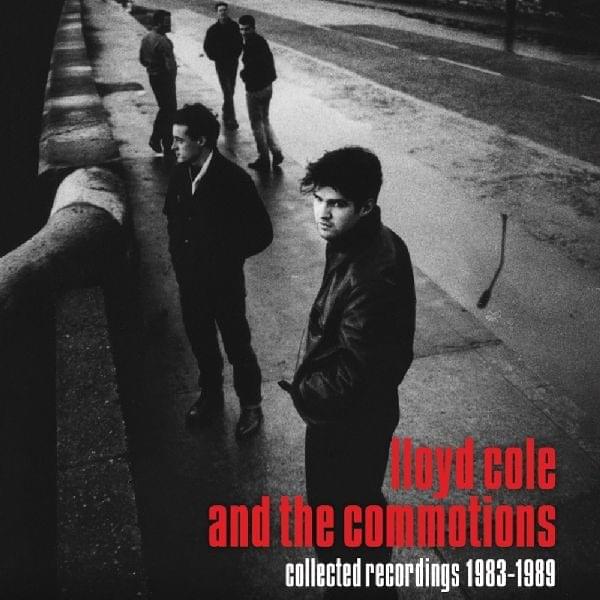
 View Artist