Song Meaning
The lyrics paint a portrait of someone radiating an almost defiant optimism, living a life that seems to intentionally provoke their peers. They're described as "looking like a born again" yet "living like a heretic," a sharp contrast that suggests a deliberate rejection of conventional paths and a pursuit of something more intense. This individual seems to be actively making their more cynical friends feel guilty, perhaps by embodying a radical happiness that their generation struggles to grasp. The narrator observes this, noting that "not even the government are going to stop you now," highlighting a sense of unstoppable, almost reckless, self-determination.
The central tension lies in the repeated, almost taunting question: "Are you ready to be heartbroken?" This refrain hangs over the narrator's description of the subject's seemingly unshakeable joy. The subject is "pumped up full of vitamins" and claims to be "so happy now / You can hardly stand," yet the narrator persistently probes their preparedness for inevitable pain. It’s as if the narrator sees the seeds of future sorrow within this extreme happiness, or perhaps is warning against a naive embrace of life that doesn't account for its harsher realities.
The craft here is in the juxtaposition of seemingly disparate cultural references and the direct, almost confrontational, questioning. Mentioning Arthur Lee records and Norman Mailer grounds the subject in a certain intellectual or artistic milieu, while the advice to "get a new tailor" offers a more superficial, yet still pointed, suggestion. The repeated question, amplified by the addition of "Are you ready to bleed?" in the second chorus, escalates the stakes from emotional pain to physical vulnerability, intensifying the narrator's concern or perhaps their morbid curiosity about how this seemingly invincible person will ultimately fare.
This lyrical approach is effective because it captures a specific kind of intense, almost performative, happiness that feels both admirable and precarious. The narrator isn't just observing; they're actively challenging the subject's perceived invincibility, forcing a confrontation with the potential for pain that lies beneath the surface. The direct questions create an immediate, almost uncomfortable, intimacy, making the listener question their own relationship with happiness and vulnerability.
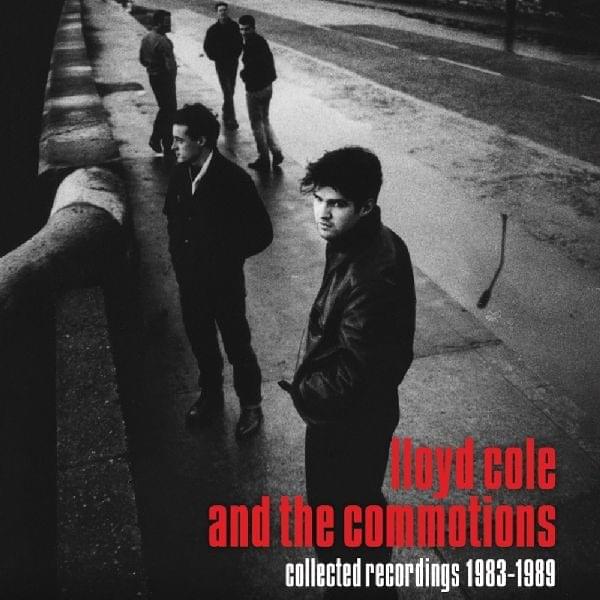
 View Artist