Song Meaning
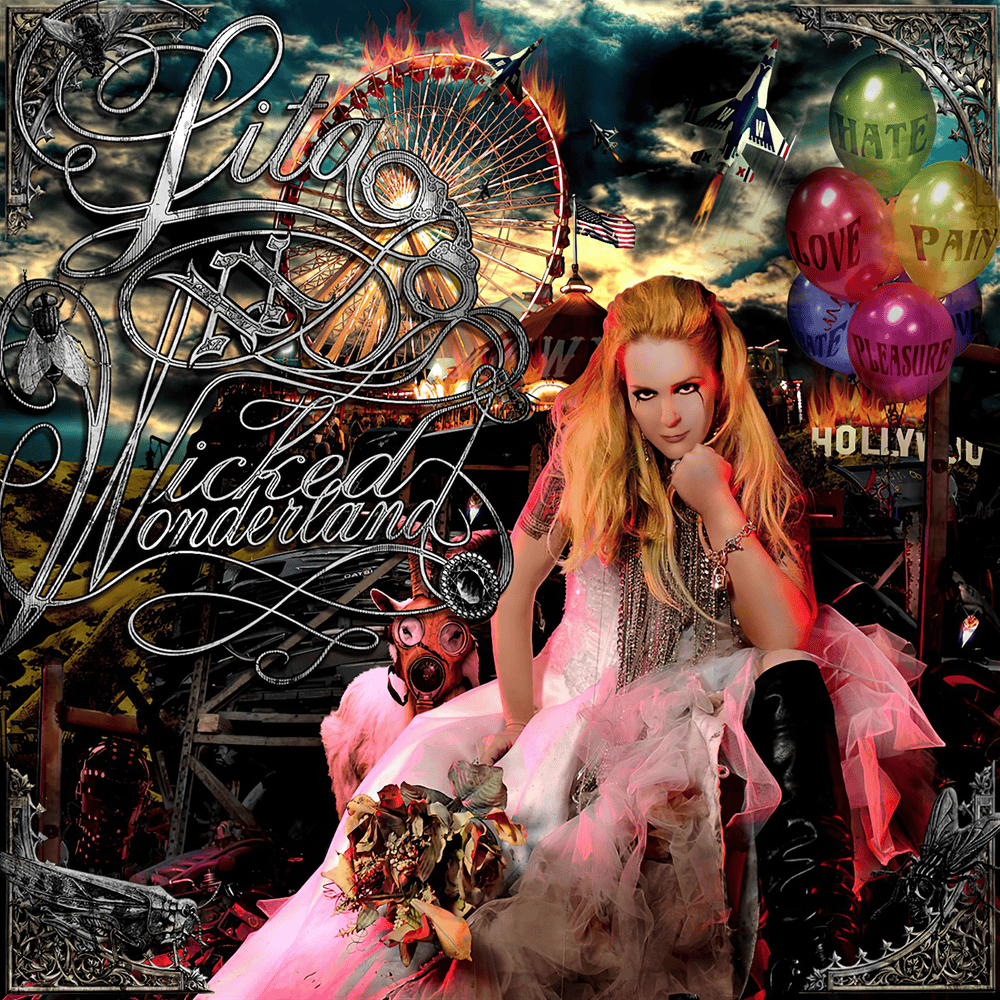
{"song_id": 10498651, "meaning": "Lita Ford's \"Truth\" isn't a gentle confession; it's a raw, serrated-edge confrontation with the contradictions of desire. The song meaning resides in that volatile space where love and hate become indistinguishable, a dynamic many listeners can identify with. Ford doesn't offer a polite narrative of heartbreak. Instead, she throws us headfirst into the storm of conflicting emotions. The opening lines, \"I hate you and you hate me/What a darkest fantasy,\" immediately establish this toxic push-pull, a relationship built on mutual antagonism as much as attraction. The fantasy isn't saccharine; it's *dark*.
The core of the song hinges on the repeated plea, \"Maybe you don't want the truth.\" This line isn't about some hidden secret; it's about the painful truth of her dependence. Despite the animosity, despite the \"sinful thoughts\" and the desire to \"do me evil all damn night,\" she's trapped. The repetition of \"I tried, I tried, I tried but I can't live without you\" underscores the desperation. It's a paradox: she's offering everything, \"Everything I have to give I give it to you,\" yet simultaneously issuing a threat: \"Take it, don't you fake it, cuz I'll break you.\"
This threat reveals a power struggle masked as vulnerability. The Garden of Eden reference, \"Garden of Eden, take a bite,\" twists the familiar biblical story. It's not about innocence lost, but about embracing transgression, actively seeking the forbidden. The lyrical tension suggests that the relationship thrives on this edge, this constant negotiation between pleasure and pain, control and surrender. \"Truth,\" in Ford's world, isn't a comfortable ideal; it's a brutal, unflinching look at the messy, often destructive, nature of human connection. The song's enduring power rests in its refusal to sanitize these uncomfortable truths, presenting love not as a fairytale, but as a battlefield."}
 View Artist