Song Meaning
The lyrics paint a picture of a world where traditional work has ceased to exist or is no longer desired. The narrator, however, presents a peculiar offer: they are willing to be the one who "never work anymore," even if it means personal sacrifice. This isn't a plea for unemployment benefits, but a strange, almost eager acceptance of a future devoid of labor.
There's a stark contrast between the potential freedom and the implied deprivation. The narrator anticipates having "so much time" with "no boss on my back," a seemingly desirable outcome. Yet, this freedom comes at the cost of "waking up at dawn" and, more significantly, a self-proclaimed "sacrifice." This suggests a complex relationship with work, where the burden of labor is acknowledged but its absence is framed as a profound, almost existential, loss.
The core of the narrator's proposition lies in the phrase "I'll sacrifice myself." This isn't about being forced out of a job, but about volunteering for a state of permanent idleness. The request for "some money" to "leave my place / On the production line" solidifies this idea. It’s a transactional offer to opt-out entirely, to become the designated non-worker in a society that has seemingly moved beyond the need for everyone to toil.
What makes these lyrics resonate is the unsettling logic of the narrator's desire. They frame their own obsolescence as a noble act, a willing surrender to a future where their labor is no longer required. The repeated declaration, "I will be the one / Who'll never work anymore," lands with a mix of resignation and a peculiar sense of pride, highlighting a deep-seated ambivalence about the role of work in identity and existence.
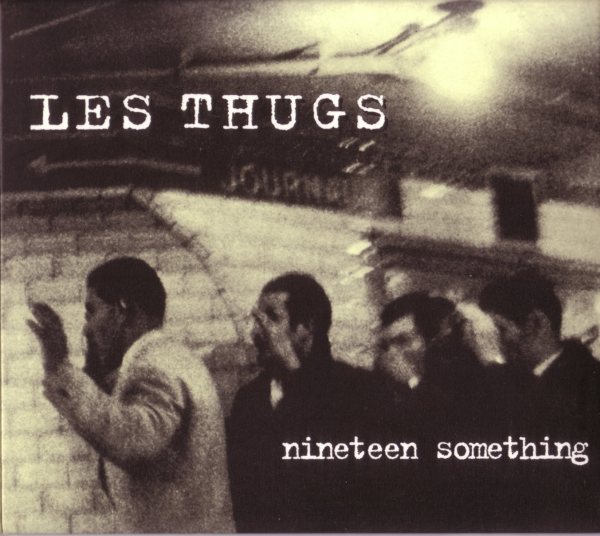
 View Artist