Song Meaning
The lyrics paint a stark picture of a recurring societal conflict, where attempts at openness and decency are met with suspicion and aggression. The narrator observes a pattern: when 'we' extend an olive branch, 'they' erect barriers, seeking to 'lock all the doors.' This isn't a new struggle; the repeated refrain, 'We'd be defeated again,' underscores a deep-seated weariness and a fear of inevitable failure.
The central tension lies in the clash between two opposing impulses. On one side, there's a persistent effort to be good, to 'open our arms,' to 'be decent and true.' This is met by an opposing force that 'call[s] for the worst part of man,' 'long[s] for a war,' and thrives on 'using the lies.' The lyrics suggest a fundamental disconnect, where vulnerability is perceived as weakness and good intentions are twisted into opportunities for exploitation.
The most striking aspect is the cyclical nature of this defeat. The phrase 'We'd be defeated again' acts as a grim prophecy, a resigned acknowledgment of a pattern that seems unbreakable. The contrast between 'we try' and the consistent negative outcomes highlights a profound frustration. It's as if every attempt at positive engagement is met with an amplified, aggressive response, leading to the same disheartening conclusion.
Ultimately, the power of these lyrics stems from their raw portrayal of a societal dynamic where good faith is consistently punished. The narrator's fear isn't just about losing; it's about the exhausting repetition of trying to build bridges only to see them burned. This sense of futility, amplified by the simple, direct language, resonates as a commentary on the challenges of maintaining hope in the face of persistent, seemingly irrational opposition.
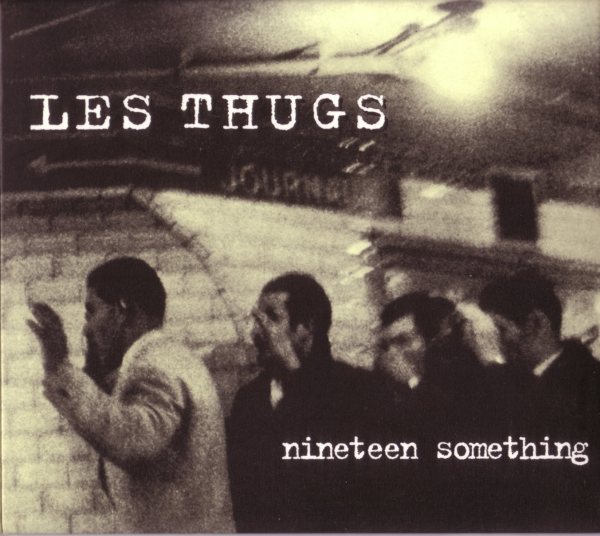
 View Artist