Song Meaning
The lyrics paint a stark picture of societal breakdown, directly addressing "Jah Jah" for intervention. The opening chorus immediately establishes a desperate plea, highlighting hunger and violence among "the youths." This isn't just a general observation; it's a cry for help against a backdrop of internal conflict where "one sister and brother" are pitted against each other. The tone is urgent, almost pleading, setting the stage for a call to action.
The central tension lies between the dire present reality and a hopeful, yet conditional, future. The narrator implores "the youths" to "change your ways" and "know yourself," suggesting personal responsibility is key. However, this is immediately juxtaposed with the escalating "cost of living," implying external pressures exacerbate the internal strife. The plea to "Jah Jah" for mercy and guidance underscores a sense that human efforts alone might not be enough to overcome these challenges.
The repeated phrase "try and show your parents what you can do" acts as a powerful, grounding image. It shifts the focus from abstract societal ills to a more personal, familial aspiration. This simple directive, repeated in both verses and the outro, offers a tangible goal amidst the chaos. It suggests that individual success and familial pride could be a pathway out of the depicted struggle, a way to "be a man of tomorrow."
Ultimately, the effectiveness of these lyrics stems from their directness and the blend of spiritual appeal with practical advice. The repeated invocation of "Jah Jah" creates a sense of shared vulnerability and a search for higher power, while the emphasis on self-awareness and familial duty offers a concrete, relatable path forward. It’s this combination of urgent plea and actionable, personal guidance that makes the message resonate.
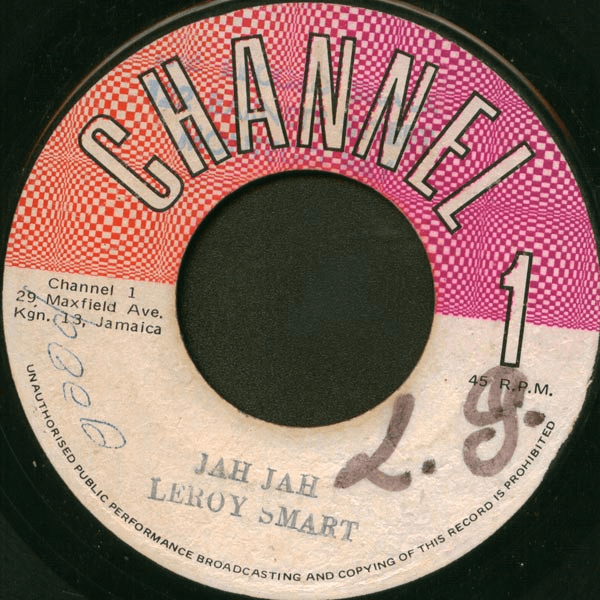
 View Artist