Song Meaning
The lyrics paint a stark picture of displacement and a desperate longing for a homeland. The opening lines immediately establish a clear desire: a return to Africa, framed as a place for "black people" and "our land." This isn't just a geographical wish; it's a call for repatriation, a yearning to escape a present reality that feels fundamentally wrong.
This present reality is depicted as "Babylon," a term loaded with connotations of oppression and corruption. The narrator and "I and I" (a Rastafarian way of referring to oneself and all of humanity, emphasizing unity) are trapped in a system rife with "wicked things" and where "poor people are dying for hunger." The constant presence of "police" further underscores the feeling of being policed and controlled within this oppressive system. The "confusion" and lack of "peace" for the "Natty dread" (a Rastafarian term for a dreadlocked person) highlight the specific social and political pressures faced.
The core of the song lies in the stark contrast between the oppressive "Babylon" and the idealized "Africa." The repetition of "Send I and I home to Africa" acts as a powerful mantra, a constant refrain of hope and a destination for escape. The lyrics don't elaborate on Africa itself, but its significance is amplified by what it represents: a place of belonging, peace, and freedom from the "confusion" and "wicked things" of the current environment.
What makes these lyrics resonate is their raw expression of alienation and the potent imagery of a promised land. The directness of the plea, coupled with the vivid depiction of suffering and oppression, creates an immediate emotional impact. The simple, repetitive structure reinforces the singular focus of the narrator's desire, making the longing for home feel both urgent and deeply felt.
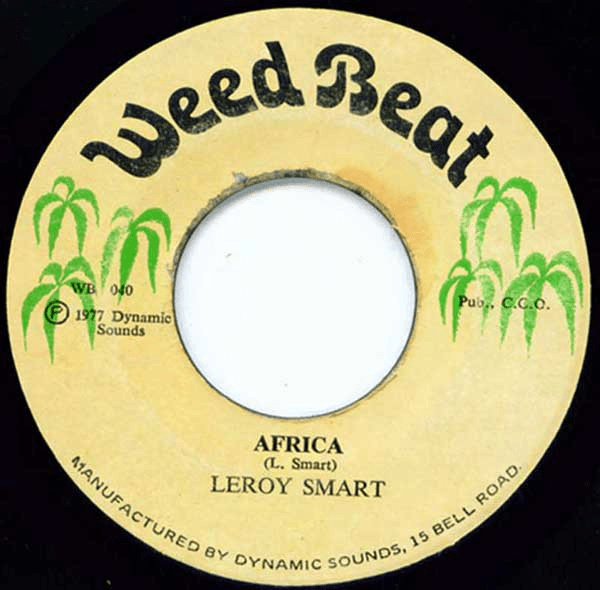
 View Artist