Song Meaning
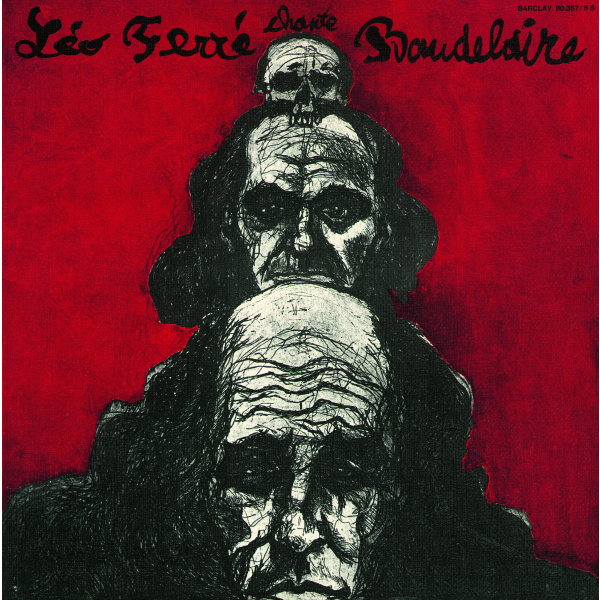
Léo Ferré's "Tu mettrais l'univers" isn't a love song; it’s a brutal vivisection of a destructive, almost vampiric, feminine archetype. The song's subject isn't a person but a force – a woman whose "impure" nature and boredom fuel a hunger for hearts, displayed like meat in a butcher's shop. Ferré paints her as someone who would confine the entire universe to her alleyway, a metaphor for her insatiable need to dominate and consume. It’s a portrait of a woman wielding beauty as a weapon, blind to its true power and consequences, and reminiscent of Baudelaire’s concept of a destructive femme fatale. This analysis of the lyrics shows Ferré's deep exploration of dark feminine power.
Ferré’s use of stark contrasts elevates the critique beyond simple condemnation. He acknowledges the woman as a "machine aveugle et sourde" (blind and deaf machine), a cruel but functional instrument in a larger, perhaps even necessary, cosmic process. This isn't just about individual moral failing; it’s about a force that, while destructive, plays a role in shaping something greater. The central question becomes: how can such monstrousness exist within a system that also produces beauty and genius? The lyrics evoke a sense of awe and terror, mirroring the speaker's internal conflict.
Ultimately, "Tu mettrais l'univers" grapples with the uncomfortable truth that destruction and creation are often intertwined. The “reine des péchés” (queen of sins) is not merely evil, but a catalyst for something extraordinary. The song's closing lines, “Ô fangeuse grandeur! sublime ignominie!” (O muddy grandeur! sublime ignominy!), encapsulate this paradox. Ferré doesn't offer easy answers; instead, he forces us to confront the uncomfortable reality that even the most repellent aspects of human nature can contribute to the sublime. This complexity is what makes Ferré's work so enduring and psychologically resonant.
 View Artist