Song Meaning
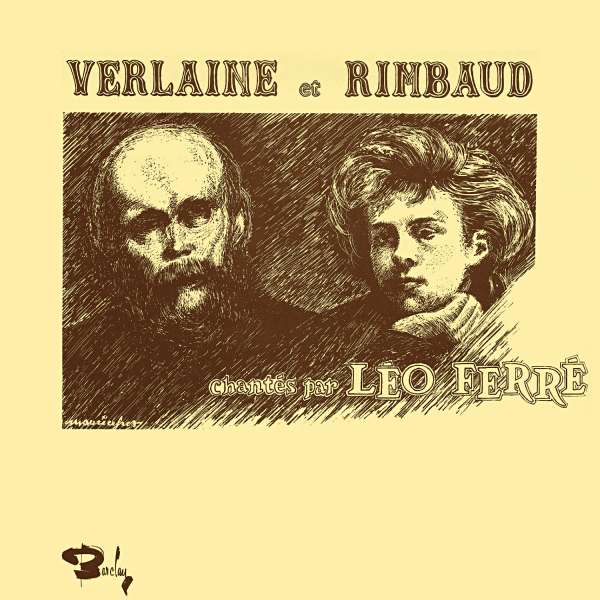
Léo Ferré's interpretation of Paul Verlaine's "Soleils Couchants" isn't merely a musical setting of a poem; it's an immersion into the psychic landscape of fading light. Verlaine, a master of atmosphere, paints with words the feeling of melancholic twilight, and Ferré amplifies this with his signature intensity. The core of the song meaning resides in the cyclical nature of beauty and decay, a theme Verlaine often explored, and Ferré undoubtedly understood on a visceral level. The repeated image of the setting sun becomes a metaphor for fading memories, lost loves, and the inevitable approach of mortality. It's the kind of romantic despair that feels exquisitely, almost perversely, pleasurable.
The genius of both Verlaine's lyrics and Ferré's rendition lies in their ability to evoke a specific mood without resorting to explicit narrative. The "mélancolie" that permeates the fields and cradles the heart isn't tied to any particular event; it's a free-floating existential ache. The "étranges rêves" that resemble setting suns suggest a subconscious world equally tinged with beauty and sorrow. These vermilion phantoms hint at repressed desires, unresolved conflicts, the ghosts of what might have been. It's a psychological portrait painted in the hues of twilight.
Ultimately, "Soleils Couchants," through Ferré's musical lens, is a meditation on the passage of time and the ephemeral nature of experience. It speaks to the part of us that finds beauty in sadness, that recognizes the inherent poignancy of existence. The song's cyclical structure, mirroring the setting and rising of the sun, reinforces the idea that even in decline, there is a certain grandeur. It's a reminder that even as things fade, they leave behind a trace, a vermilion echo on the shores of our consciousness.
 View Artist