Song Meaning
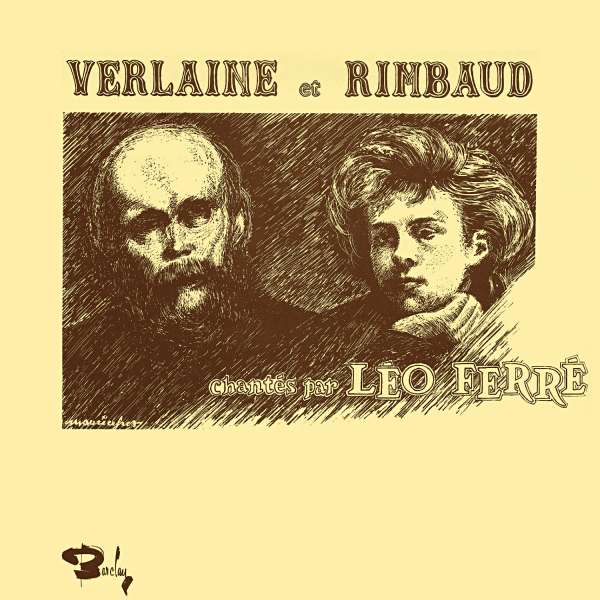
Léo Ferré's setting of Paul Verlaine's "Pensionnaires" isn't just a poem; it's a tightly wound psychological portrait dropped into a gilded cage. The immediate reading—two young women, barely past childhood, exploring a sensuality that society simultaneously denies and fetishizes—is undeniable. But Verlaine, and Ferré by extension, are digging deeper than surface-level titillation. The poem's power lies in its juxtaposition of innocence and nascent desire, a dynamic that feels both delicate and dangerous. The opening stanzas establish the scene: a shared room, the scent of amber, the vulnerability of youth.
The shift occurs with the line, "Puis tombe à genoux, puis devient farouche." This isn't simply about physical exploration; it's about a descent into something primal, something untamed. The younger sister's reaction—counting "valses promises"—is the crucial counterpoint. It's a retreat into the safety of childish fantasy, a dissociation from the intensity of her sister's actions. This highlights the imbalance of experience and perhaps even consent within the interaction.
Ferré's musical interpretation, though not provided, likely amplifies these tensions. Verlaine’s work often toys with themes of forbidden love and societal constraints, and "Pensionnaires" is no exception. The poem's final image—the younger girl's innocent smile—is the most unsettling. It's a mask, a denial, a potential foreshadowing of future trauma. The song's meaning ultimately resides in its unsettling portrayal of the complexities of female adolescence, the blurring lines between curiosity, pleasure, and exploitation, all framed within the stifling confines of a boarding school environment. It’s a reminder that innocence, once lost, can never truly be recovered.
 View Artist