Song Meaning
Léo Ferré's "Notre amour" (Our Love) isn't just a song; it's a stark meditation on love's paradoxical dance with time and mortality. Ferré, a master of chanson, uses deceptively simple imagery to explore themes of enduring commitment and the inevitable decay that shadows even the most passionate connections. The recurring motif of writing names on "sickly autumn trees" speaks volumes. It's a gesture of defiance against the impermanence of life, a carving of love into a world already in decline. The birdsong, contingent on this act of inscription, becomes a fragile symbol of hope sustained by the lovers' dedication. But Ferré doesn't shy away from the darker implications. The fading of those names signals not just an end, but a potential death – a chilling acknowledgement of love's vulnerability.
The lyrics reveal a profound anxiety about being forgotten, a fear that underscores the narrator's declaration of unwavering devotion. The lines "Je suis celui que tu attends / Je suis celui qui t'aime tant" (I am the one you await / I am the one who loves you so much) carry a weight of expectation, almost a plea for reciprocation. The repetition of "depuis longtemps / Ô si longtemps" (for a long time / Oh so long) emphasizes the depth of the bond, but also hints at a weariness, a sense of time passing and taking its toll. The conditional "S'il t'arrivait de m'oublier" (If you were to forget me) is particularly poignant, exposing a raw nerve of insecurity beneath the veneer of steadfastness.
Ultimately, "Notre amour" transcends a simple declaration of love. It delves into the unsettling truth that even the most profound emotions are subject to the ravages of time. Ferré's claim that "mon amour est plus fort que l'amour!" (my love is stronger than love!) isn't a boast, but a desperate assertion against the encroaching darkness. It's a recognition that love, in its purest form, is a battle against oblivion, a refusal to surrender to the inevitable fading of all things. The song's power lies in its unflinching honesty, its willingness to confront the bittersweet reality of love's fleeting existence within the grand tapestry of life and death.
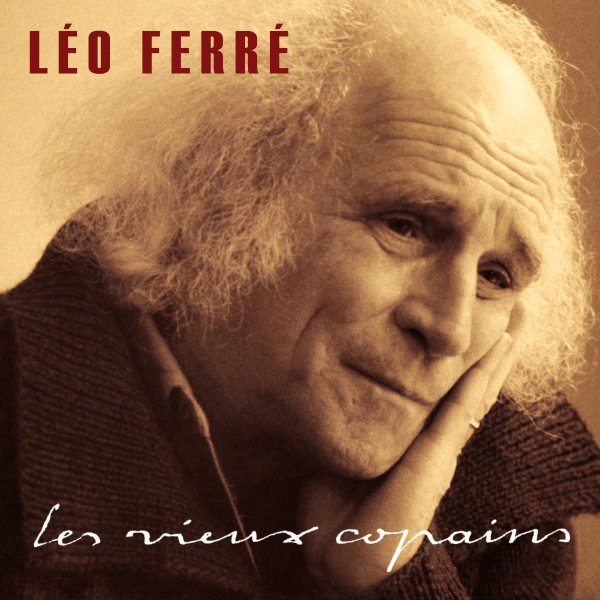
 View Artist