Song Meaning
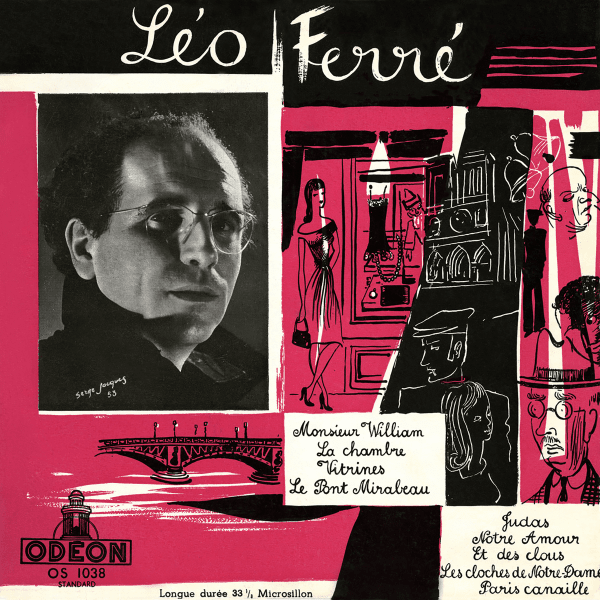
Léo Ferré's "Notre amour" isn't a simple love song; it's a stark meditation on love's fragility and its defiant persistence against the inevitable decay of time. The central image of writing names on "sickly autumn trees" immediately establishes a sense of doomed romanticism. This isn't springtime bliss; it's a love etched onto something already fading, a poignant acknowledgment that everything, even the most passionate connections, is subject to entropy. The birds singing and the lovers' ability to love are directly tied to the existence of these inscribed names, suggesting a dependency on external validation or perhaps the shared delusion that their love can somehow cheat mortality.
The lyrics pivot on a constant interplay between the present and the past. "Je suis celui que tu attends / J'étais celui que tu attends" – the shift from "I am" to "I was" highlights the ephemeral nature of the relationship. The repetition of "Depuis longtemps / Ô si longtemps!" underscores the weight of their history, a history that both sustains and threatens to overwhelm them. Ferré's insistence that he will never forget, even if forgotten, reveals a desperate attempt to transcend the limitations of human memory and the potential for emotional abandonment. It's a promise that borders on obsession, a refusal to let go even when faced with the possibility of being erased from the other's heart.
Ultimately, "Notre amour" derives its power from its raw honesty. Ferré doesn't shy away from the darker aspects of love: the fear of oblivion, the acknowledgement of impermanence, and the almost pathological need to be remembered. The final declaration, "Car mon amour est plus fort que l'amour!", isn't a triumphant assertion but a desperate plea. It's a recognition that conventional love, with its inherent vulnerabilities, isn't enough. This is a love that seeks to defy the very nature of love itself, a love fueled by the terror of its own potential demise. The song meaning lies in this paradox: love's profound beauty intertwined with its inherent ephemerality.
 View Artist